
Mini Basset Hound: Size, Temperament, Health, and Care Guide
Basset Hounds are already compact, so the idea of an even smaller version sounds irresistible: the same droopy ears, soulful eyes, and gentle nature in a package that is easier to carry, easier to fit in a small home, and perhaps easier to afford. That is the promise behind the “Mini Basset Hound.” But the reality is more complicated than the marketing suggests.
This guide explains what a Mini Basset Hound actually is, how it differs from the standard breed, what to know about size and health, and how to care for one. It also covers how to find a dog responsibly and avoid common pitfalls. Four frequently asked questions and a conclusion at the end will help you decide whether this little hound fits your life.
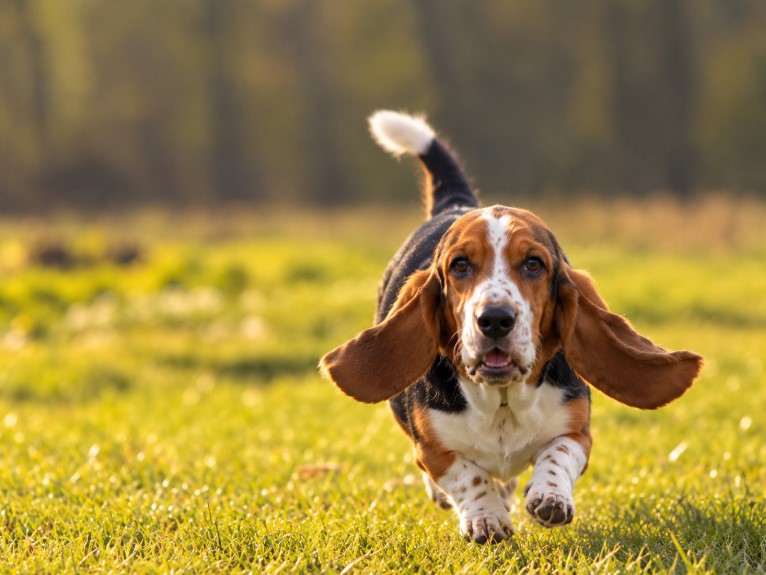
What Is a Mini Basset Hound?
There is no officially recognized breed called the Mini Basset Hound. Major kennel clubs list only one Basset Hound breed standard, and it does not include a “miniature” size. When people use the term, they usually mean one of the following:
- A small purebred Basset. Some purebred Bassets fall at the lower end of the normal size range, which is roughly 11 to 13 inches tall. These dogs are simply small individuals, not a separate variety.
- A Basset Hound mix. Many “mini Bassets” are crosses between a Basset Hound and a smaller breed, such as a Beagle, Dachshund, Corgi, or Cocker Spaniel. These mixes are sometimes called Bassets with a nickname such as “Bagle Hound” or “Basschshund.”
- A Basset Griffon Vendéen. The Petit Basset Griffon Vendéen (PBGV) is a separate, recognized French hound breed. It is smaller than a Basset Hound and has a rough, wiry coat. It is sometimes confused with a mini Basset, but it is a different breed.
- A dwarfed or undersized dog. Some sellers breed undersized dogs, sometimes using the smallest and runtiest individuals. This can create serious health concerns, which is discussed below.
Understanding which of these you are looking at is essential. The term “mini” is a marketing label, not a guarantee.
Size and Appearance
How Small Is “Mini”?
Because there is no standard, size varies widely. As a general guide:
- Height: About 9 to 13 inches at the shoulder
- Weight: Commonly 20 to 40 pounds, depending on the parents
- Build: Long body, short legs, and a deep chest, though proportions depend on the mix
A standard Basset typically stands 11 to 15 inches tall and weighs 40 to 65 pounds, so a mini is meaningfully lighter but may not be dramatically shorter.
Coat and Colors
Mini Bassets that resemble the purebred have a short, smooth, dense coat in the familiar colors: tricolor, red and white, lemon and white, and brown and white. Mixes may have different textures, such as a slightly longer or wavy coat if a Cocker Spaniel or Corgi is in the mix.
Face and Ears
Expect the hallmark features: a domed head, wrinkled brow, long muzzle, and big floppy ears. The ears may be proportionally a little shorter on mixes, though many still carry the signature droop.
Temperament and Personality
A mini Basset’s personality depends on its parentage, but most share the core hound traits.
Affectionate and Loyal
Basset-type dogs usually bond closely with their families. They enjoy company, love cuddling, and often follow their people around the house.
Calm and Easygoing
Indoors, most are relaxed and happy to nap. They do not usually demand constant activity, though mixes with Beagle or Corgi parentage may have more energy.
Playful and Funny
Small Bassets keep a goofy, puppy-like side well into adulthood. Their expressions, sleeping postures, and clumsy zoomies tend to entertain owners.
Stubborn and Independent
Bassets were bred to track scent alone, so they make their own decisions. This independence can look like stubbornness, and training requires patience.
Vocal
Barking, howling, and baying are common. A smaller body does not mean a quieter voice, and neighbors in apartments may notice.
Social
Most do well with children and other dogs, and they dislike being left alone for long periods. Without company or stimulation, they may bark, chew, or dig.
Living With Children and Other Pets
Mini Bassets are generally good with kids. They are sturdy enough for family life but small enough that interactions should still be supervised. Teach children to avoid pulling the ears or tail, and to never lift the dog without proper support, since the long back is delicate.
They usually get along well with other dogs because of their pack heritage. Many live peacefully with cats, especially when raised together. Small pets such as rabbits and hamsters may trigger their prey drive and should be kept separate.
Exercise Needs
Mini Bassets need moderate daily exercise, typically 30 to 60 minutes, split into two or more sessions. Good activities include:
- Sniffing walks at the dog’s pace
- Scent games with hidden treats
- Puzzle feeders and snuffle mats
- Gentle play in a fenced yard
Avoid intense running, repeated jumping, and long stair climbing. A smaller dog with a long spine is still at risk for back injury, and a low-slung body can strain easily. Always use a leash or a securely fenced area, because a scent can lead a hound far from home in moments.
Feeding and Nutrition
Small hounds gain weight easily, and every extra pound is a heavier load for a long back and short legs.
- Feed a complete and balanced food suited to the dog’s age, size, and activity level.
- Measure portions instead of free feeding.
- Feed adults twice a day, and puppies three to four smaller meals.
- Count treats toward daily calories and use tiny pieces for training.
- Use slow feeders to prevent gulping.
- Check body condition regularly. You should feel the ribs under a thin layer of fat and see a visible waist.
- Avoid vigorous activity right after meals. Deep-chested dogs can suffer from bloat (gastric dilatation-volvulus), a life-threatening emergency. Warning signs include a swollen belly, unproductive retching, restlessness, and drooling.
Training a Mini Basset Hound
Start Early
Begin training and socialization as soon as the puppy comes home. Early habits are much easier to build than to fix.
Use Positive Reinforcement
Treats, praise, and play work best. Harsh corrections tend to make hounds shut down or dig in.
Keep Sessions Short
Five to ten minutes at a time is ideal. End on a success.
Focus on Key Skills
- House training: Can take longer than expected. A consistent schedule, supervision, and crate training help.
- Leash manners: Use a harness and reward loose-leash walking.
- Recall: Practice in secure places and never rely on it near roads.
- Leave it: Essential for a scavenger.
- Quiet cue: Reward silence to manage baying.
Socialize
Expose your puppy to different people, sounds, surfaces, and friendly dogs during the first months. A confident dog is easier to live with.
Grooming and Care
Mini Bassets are low maintenance but need routine care.
Brushing. Brush weekly with a rubber curry brush or mitt. Shedding is year-round.
Bathing. Bathe every month or two, or when dirty, with a gentle dog shampoo.
Ears. Long, floppy ears trap moisture and wax. Check weekly for redness, odor, or discharge, and clean with a vet-approved solution.
Skin folds. Wipe wrinkles gently and keep them dry.
Eyes. Wipe away discharge and watch for redness or irritation.
Nails. Trim every few weeks. Long nails alter the way a low-slung dog walks.
Teeth. Small dogs are prone to dental disease, so brush several times a week with dog-safe toothpaste.
Health Concerns
The Problem With Breeding for Small Size
Deliberately breeding the smallest Bassets, or crossing them with dwarf breeds, can magnify health problems. The standard Basset already has a long back and short legs. Pushing those proportions further may increase the risk of spine, joint, and skeletal problems. Ask any breeder how they achieve small size, and be wary of promises of a “teacup” or “pocket” Basset. Responsible breeders prioritize health and soundness over size.
Common Conditions
- Ear infections: Extremely common in floppy-eared dogs.
- Intervertebral disc disease (IVDD): The long back is vulnerable. Signs include pain, reluctance to move, weakness, or wobbliness. This needs urgent veterinary attention.
- Hip and elbow dysplasia: Abnormal joint development can lead to arthritis.
- Patellar luxation: The kneecap slips out of place, a concern in smaller dogs.
- Obesity: One of the most preventable and damaging problems.
- Eye conditions: Glaucoma, cherry eye, and eyelid abnormalities can occur.
- Skin problems: Folds and allergies can cause infections.
- Dental disease: More common in small dogs.
- Bloat (GDV): An emergency in deep-chested dogs.
Lifespan
Mini Bassets commonly live about 10 to 13 years, depending on genetics and care.
Preventive Care
- Keep vaccinations current
- Use flea, tick, and heartworm prevention as your vet advises
- Microchip your dog
- Schedule regular check-ups
- Discuss spay or neuter timing with your vet
- Consider pet insurance or an emergency fund
Protecting the Back and Joints
Simple habits go a long way:
- Keep your dog lean. Weight control is the most important protection.
- Lift properly. Support the chest and hindquarters together, keeping the spine level.
- Limit stairs and jumping. Use ramps for furniture and cars.
- Provide traction. Rugs on slippery floors help.
- Use a harness. Avoid pulling on the neck.
- Exercise gently. Steady walking builds supportive muscle.
Finding a Mini Basset Hound
Be Careful With Marketing
Terms like “mini,” “teacup,” and “rare” are not regulated. Ask for specifics: What are the parents’ breeds and sizes? What are their ages and health histories? Can you meet them?
What a Responsible Breeder Does
- Health-tests both parents and shares results
- Lets you meet the mother and see living conditions
- Provides vaccination and deworming records
- Offers a written contract and health guarantee
- Asks about your home and lifestyle
- Takes the dog back if you cannot keep it
Consider Rescue and Adoption
Many small Basset-type dogs and mixes are in shelters and rescues. Adoption is usually more affordable, and staff can describe each dog’s personality. Searching for Basset Hound or hound rescues in your area is a good start.
Know the Costs
Prices vary by breeder, region, and type of dog. Do not assume a smaller dog costs less overall. Budget for food, vaccinations, supplies, training, grooming, insurance, and emergencies.
Is a Mini Basset Hound Right for You?
A Good Fit If You:
- Want an affectionate, funny, laid-back companion
- Can commit to patient, positive training
- Enjoy slow, sniff-focused walks
- Have a secure yard or reliable leash routines
- Are home often or can arrange company
- Can handle drool, shedding, and baying
Think Twice If You:
- Want a dog that obeys perfectly off leash
- Need a quiet dog for thin-walled housing
- Are away for long hours every day
- Want a jogging or hiking partner
- Expect a small dog to be low-maintenance
Frequently Asked Questions
Conclusion
The Mini Basset Hound captures hearts with the same sweet face and gentle personality as its larger cousin, wrapped in a smaller package. But the name is a marketing term rather than a breed, and the label alone tells you very little about a dog’s genetics, health, or temperament. Whether you meet a small purebred Basset, a thoughtfully bred mix, or a related breed, the most important questions are about the parents, the breeder’s practices, and your own readiness.
With careful sourcing, a lean diet, protection for the back and joints, regular ear and dental care, and patient, positive training, a mini Basset can be a loyal and amusing companion for a decade or more. Be realistic about the stubborn streak, the voice, and the nose that leads the way, and you will find a devoted friend who turns every day into something a little more fun.