
Beagle Basset Hound Mix: The Complete Guide to the “Bagle Hound”
Picture a dog with the Beagle’s merry eyes and compact athleticism, combined with the Basset Hound’s long ears, sweet face, and laid-back charm. That is the Beagle Basset Hound mix, often nicknamed the Bagle Hound or Basset Beagle. It is a crossbreed that blends two of the world’s most beloved scent hounds into one affectionate, curious, and very nose-driven companion.
This guide covers everything you need to know about this mix: its origins, appearance, temperament, exercise and feeding needs, training, grooming, health concerns, and whether it suits your household. Four frequently asked questions and a conclusion at the end will help you make a confident decision.
Understanding the Parent Breeds
A mixed-breed dog inherits traits from both parents, but in unpredictable proportions. Knowing the two parent breeds is the best way to anticipate what your dog may be like.
The Beagle
The Beagle is a small to medium scent hound developed in England to track rabbits and hares. Typically standing 13 to 15 inches tall and weighing 20 to 30 pounds, Beagles are energetic, cheerful, and sociable. They are known for their keen noses, boundless curiosity, and loud, musical voices. They are also famous for being food-motivated and tough to recall once they pick up a scent.
The Basset Hound
The Basset Hound is a low-slung French scent hound with heavy bones, a long body, short legs, and famously long ears. Standing around 11 to 15 inches tall and weighing 40 to 65 pounds, Bassets are calmer and more laid-back than Beagles, but they are also stubborn, vocal, and driven by their noses.
What Happens When They Mix
The two breeds share a hunting heritage, so the resulting mix tends to be a scent-driven, pack-loving, food-loving dog with a loud voice. Because both parents are hounds, the personalities overlap significantly. The main differences usually show up in size, energy level, and body shape.
Origin of the Mix
The Beagle Basset Hound mix is a designer or hybrid dog, not a recognized breed with its own standard. There is no formal breed history, and most examples appear to result from deliberate crosses or occasional accidental litters. Because the mix is not standardized, puppies in the same litter can look and behave quite differently, which is part of the fun and part of the uncertainty.
Major kennel clubs do not recognize crossbreeds as separate breeds, though some hybrid registries do. If you are buying from a breeder, remember that the term “designer dog” does not guarantee quality, so health testing and responsible practices still matter most.
Appearance
Size and Weight
Size varies depending on which parent has more influence. As a general guide:
- Height: About 11 to 15 inches at the shoulder
- Weight: Commonly 25 to 50 pounds, with some individuals falling outside this range
- Build: Usually sturdy and medium-sized, with a longer body than a typical Beagle and a less extreme build than a purebred Basset
Some mixes lean toward the Beagle, with longer legs and a lighter frame. Others lean toward the Basset, with short legs, a long back, and heavy bones.
Coat and Colors
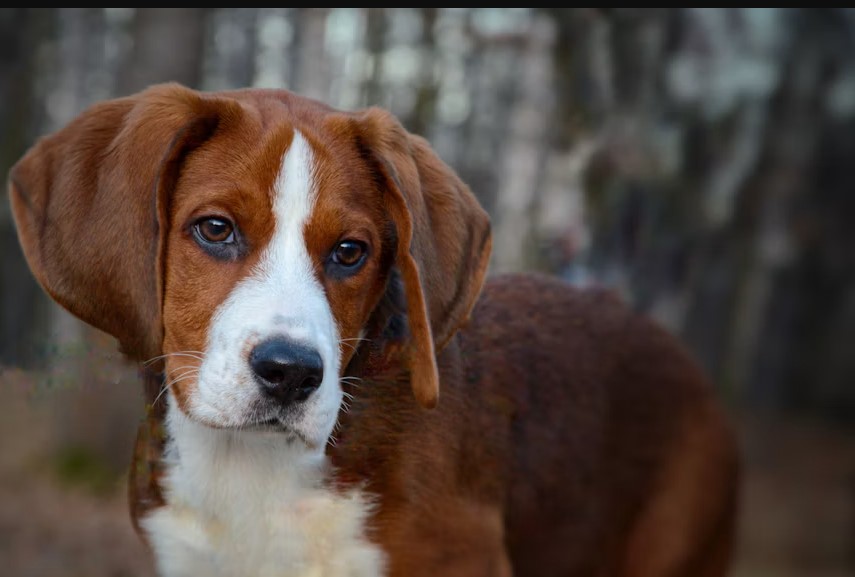
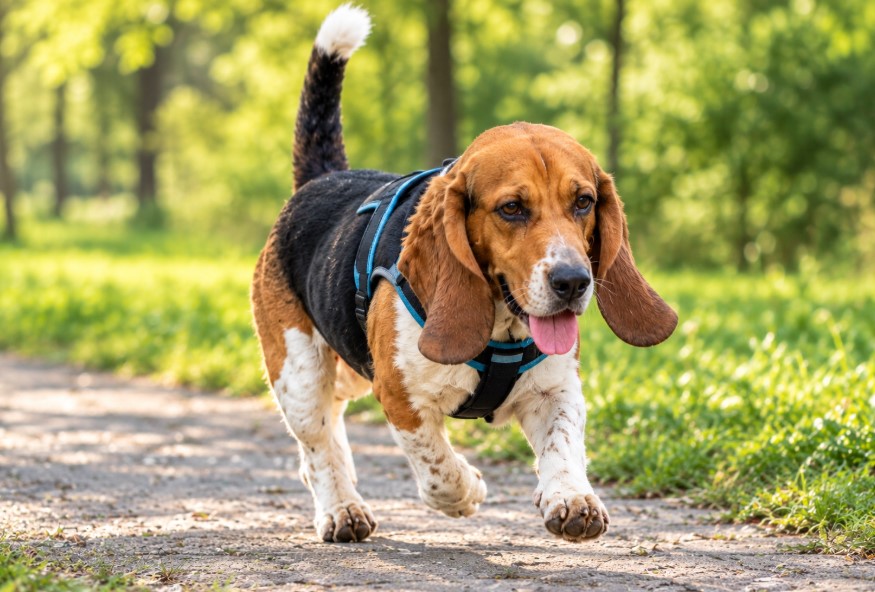
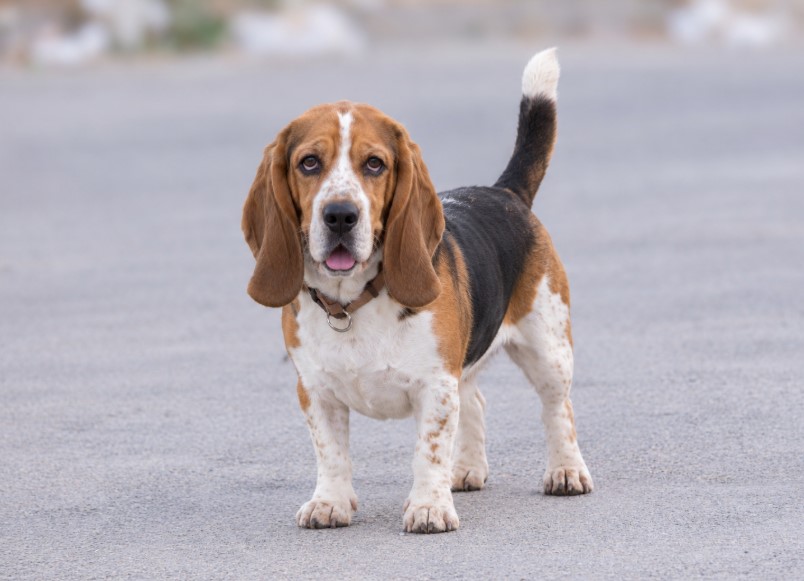
Both breeds have short, dense coats, so the mix typically has a smooth, easy-care coat. Common colors include tricolor (black, tan, and white), lemon and white, red and white, and brown and white. Markings may be patchy, ticked, or blanketed, and many puppies have a white blaze or white-tipped tail.
Face and Ears
Expect a soulful hound face with expressive brown or hazel eyes. The ears are usually long and floppy, though possibly not as long as a Basset’s. Some mixes have noticeable facial wrinkles, especially those taking after the Basset side.
Tail
Most carry a medium-length tail that curves upward, with a white tip inherited from the Beagle. The tail often wags constantly, a sign of the mix’s cheerful nature.
Temperament and Personality
Friendly and Affectionate
Both parents are known for their sociable natures, and this mix usually carries that trait forward. Most Beagle Basset mixes love people, bond closely with their families, and enjoy being part of everyday life. They tend to greet strangers warmly and are rarely aggressive.
Playful and Curious
The Beagle side adds a spark of energy and playfulness. These dogs enjoy exploring, investigating smells, and playing games, especially outdoors. They often keep their puppy-like silliness well into adulthood.
Laid-Back at Home
The Basset influence often brings a calmer indoor attitude. After a good walk, many of these mixes are happy to curl up on the couch and nap.
Stubborn and Independent
Here is the challenge. Both parent breeds were bred to follow scents independently, so this mix can be strong-willed. It may ignore commands when something smells interesting, and training requires patience and persistence.
Vocal
Barking, howling, and baying are common in this mix. The voice is often a combination of the Beagle’s high-pitched bay and the Basset’s deep tone. If you live in an apartment or close to neighbors, early training and enrichment are important.
Social and Prone to Loneliness
Pack dogs by heritage, these mixes tend to dislike long periods alone. Without company or stimulation, they may become bored, destructive, or noisy.
Living With Children and Other Pets
Beagle Basset mixes are generally excellent with children. They are sturdy, patient, and playful, and they often enjoy gentle games. As with any dog, supervision is wise, and kids should be taught to treat the dog respectfully, avoiding rough handling of the ears, tail, and back.
They usually get along well with other dogs, thanks to their pack background. Many do well in multi-dog homes. With cats, results vary, but early introduction often leads to peaceful coexistence. Small animals like rabbits, guinea pigs, and hamsters may trigger the hunting instinct, so keep them safely separated.
Exercise Needs
This mix typically needs more activity than a pure Basset but less than a very high-energy breed. A good target for most adults is 45 to 60 minutes of exercise daily, split into two or more sessions.
Suitable activities include:
- Leashed walks with plenty of time to sniff
- Scent games, such as hiding treats around the house or yard
- Gentle hikes on secure trails, always on a leash
- Fetch or tug in a fenced area
- Puzzle toys and snuffle mats for mental work
Dogs with more Basset in their build should avoid excessive jumping, long stair climbing, and intense running that can stress the spine and joints. Dogs with more Beagle-like builds usually handle more activity but still benefit from moderate routines.
Always keep this mix on a leash or in a securely fenced area. A strong scent can lead them far from home quickly, and recall is unreliable near distractions.
Feeding and Nutrition
Both parent breeds love food, and obesity is one of the biggest health risks for this mix. Smart feeding habits are essential.
- Choose a high-quality, complete and balanced dog food suitable for the dog’s age, size, and activity level. Your vet can help you choose.
- Measure portions. Avoid free feeding, and follow the guidelines on the food package, adjusting based on body condition.
- Feed adults twice a day. Puppies need three to four smaller meals.
- Use treats sparingly. Count them toward daily calories and choose small, low-calorie options for training.
- Use slow feeders. Hounds often gulp food, which can cause digestive problems.
- Keep food secure. These dogs are expert thieves, so latch cabinets and bins.
- Monitor body condition. You should be able to feel the ribs without seeing them clearly.
Because deep-chested dogs can suffer from bloat, avoid hard exercise right after meals and learn the emergency signs: swollen belly, unproductive retching, and restlessness.
Training Your Beagle Basset Hound Mix
Start Early
Begin training and socialization as soon as the puppy arrives home. Early lessons establish routines and good manners, and they make the stubborn phase easier to handle.
Use Positive Reinforcement
Reward-based training works far better than harsh methods. Treats, praise, and play keep the dog engaged. Because the mix is food-motivated, tiny treats work wonders.
Keep Sessions Short and Fun
Five to ten minutes at a time is ideal. End each session on a success and while the dog is still eager.
Focus on Key Skills
- House training: Expect it to take time. Use a consistent schedule, crate training, and lots of praise.
- Leash manners: Use a harness and reward loose-leash walking.
- Recall: Practice in secure areas and make coming to you rewarding. Do not rely on it near roads.
- Leave it and drop it: Essential for a scavenging hound.
- Quiet cue: Reward silence to manage barking and baying.
- Crate comfort: A positive crate experience helps with alone time and travel.
Socialization
Introduce your puppy to different people, places, sounds, and animals in a safe, positive way during the first few months. A confident, well-socialized dog is easier to live with throughout life.
Be Patient
If progress seems slow, remember that the breeds in this mix were designed to think for themselves. Consistency and good humor go a long way.
Grooming and Care
This mix is relatively low maintenance, but a few routine tasks matter.
Brushing. Brush weekly with a rubber curry brush or grooming mitt to remove loose hair. Shedding is moderate year-round and heavier seasonally.
Bathing. Bathe every month or two, or when the dog gets dirty or smelly. Use a gentle dog shampoo.
Ear care. Floppy ears trap moisture and wax, making ear infections one of the most common problems. Check ears weekly, clean with a vet-recommended solution, and dry them after baths. Watch for redness, odor, discharge, or head shaking.
Skin folds. If your dog has facial or body wrinkles, wipe them gently and keep them dry.
Nails. Trim every few weeks to prevent overgrowth and discomfort.
Teeth. Brush several times a week with dog-safe toothpaste to prevent dental disease.
Eyes. Wipe away discharge and watch for irritation, redness, or cloudiness.

Health Concerns
Mixed-breed dogs are sometimes thought to be healthier than purebreds, but they can still inherit conditions from either parent. Knowing the risks helps you catch problems early.
Ear Infections
Long, floppy ears create a warm, moist environment where bacteria and yeast thrive. Regular cleaning and quick treatment are essential.
Obesity
Excess weight increases the risk of joint disease, back problems, diabetes, and other conditions. Controlled feeding and regular exercise are vital.
Hip and Elbow Dysplasia
Abnormal joint development can lead to pain and arthritis. Maintaining a healthy weight and avoiding excessive stress on growing joints can help.
Intervertebral Disc Disease (IVDD)
Dogs with longer backs, particularly those with more Basset in their build, may be at risk. Signs include pain, reluctance to move, weakness, or loss of coordination. This requires urgent veterinary attention.
Eye Problems
Both breeds can experience eye conditions, such as cherry eye, glaucoma, and eyelid abnormalities. Report squinting, redness, or discharge to your vet.
Epilepsy and Neurological Issues
Beagles can be prone to epilepsy, and some mixes may inherit this tendency. Seek veterinary advice if your dog has seizures.
Hypothyroidism
An underactive thyroid can cause weight gain, lethargy, and skin problems, and it is seen in both parent breeds. It is usually treatable with medication.
Bloat (GDV)
A life-threatening condition in which the stomach twists. Learn the signs and seek emergency care immediately if you suspect it.
Lifespan
Beagle Basset mixes commonly live around 10 to 13 years. Preventive care, a healthy weight, good nutrition, and regular vet visits can support a long life.
Preventive Care
- Keep vaccinations current
- Use parasite prevention for fleas, ticks, and heartworm as your vet recommends
- Microchip your dog, since scent hounds are prone to wandering
- Schedule regular check-ups
- Discuss spay or neuter timing with your vet
- Consider pet insurance or an emergency fund
Is This Mix Right for You?
It May Be a Great Fit If You:
- Want a friendly, affectionate, and sociable companion
- Enjoy daily walks and sniffing adventures
- Can invest time in patient, positive training
- Have a securely fenced yard or reliable leash routines
- Are home often or can arrange company for the dog
- Have a sense of humor about stubbornness and baying
It May Not Be the Best Fit If You:
- Want a dog that obeys perfectly off leash
- Need a quiet dog for an apartment with thin walls
- Are away from home for long hours daily
- Want a low-shedding or odor-free dog
- Prefer an athletic running or hiking partner for long distances
Finding a Beagle Basset Hound Mix
Adoption and Rescue
Many Beagles and Basset Hounds, and their mixes, end up in shelters and breed-specific rescues. Adopting can be affordable and rewarding, and staff can often share the dog’s personality and history. Searching for hound rescues in your area is a good starting point.
Responsible Breeders
If you choose a breeder, look for someone who health-tests both parents, raises puppies in a clean home, lets you meet the mother, provides written health information, and asks you questions in return. Avoid sellers who push for fast payment, sell multiple breeds, or refuse visits.
Puppy Costs
Prices vary widely by location and breeder, and adoption fees are generally lower. Remember to budget for food, vet visits, vaccines, supplies, training, grooming, and emergencies.
Frequently Asked Questions
Conclusion
The Beagle Basset Hound mix is a charming combination of two classic scent hounds. With a friendly personality, playful streak, expressive face, and endearing howl, it is easy to see why so many families fall for this crossbreed. They are affectionate companions that love being part of the pack, whether that means a walk around the neighborhood or a nap on the sofa.
At the same time, this mix comes with real responsibilities. Their noses lead them into trouble, their voices can test the patience of neighbors, their stubborn streak requires patience, and their appetites call for careful weight management. Regular ear care, protection of the back and joints, and secure fencing or leash use are non-negotiable parts of ownership.
If you can offer consistent training, daily exercise, plenty of companionship, and a good sense of humor, a Beagle Basset Hound mix can be a loyal, loving, and endlessly entertaining friend for a decade or more.