
Basset Hound Temperament: What to Expect From This Gentle, Stubborn, Lovable Hound
Few dogs inspire as much instant affection as the Basset Hound. With those drooping ears, mournful eyes, and unhurried waddle, the breed looks like it has been quietly contemplating life’s great mysteries. The truth is a little more complicated and a lot more entertaining. A Basset’s personality is a blend of warmth, humor, independence, and an almost unshakeable devotion to its nose.
This article takes a close look at Basset Hound temperament: where it comes from, how it shows up in everyday life, how the breed behaves with children, other pets, and strangers, what challenges owners commonly face, and how to bring out the best in your dog. A detailed FAQ and conclusion at the end will help you decide whether this breed’s personality matches your household.
The Roots of the Basset Temperament
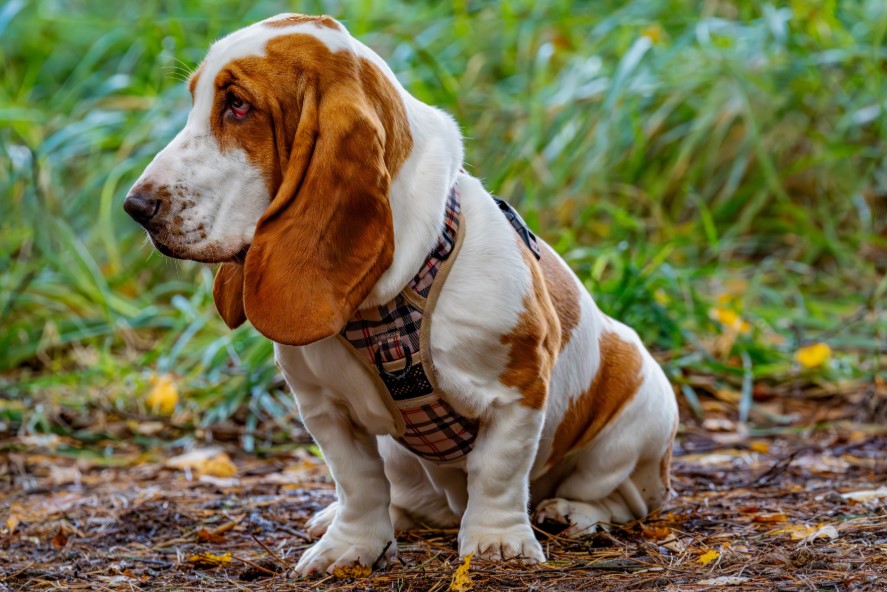
To understand why a Basset acts the way it does, it helps to know what the breed was designed to do. Bassets were developed in France to trail rabbits and hares through thick brush, working slowly and methodically so that hunters on foot could keep pace. Two features of that job shaped the dog’s personality.
Independence. A hound following a scent trail cannot wait for instructions. It must make its own decisions, concentrate on the track, and ignore distractions, including a human voice calling it back. That independent streak is still very much alive in modern Bassets.
Pack companionship. Hounds traditionally worked in groups and lived together in kennels. As a result, Bassets tend to be sociable and easygoing with other dogs and people, and many dislike being left alone.
Put those two traits together and you get the classic Basset: loving and agreeable on one hand, determined and a bit pig-headed on the other.
Core Personality Traits
Gentle and Affectionate
Most Bassets are sweet-natured dogs who love being near their people. They lean against your legs, rest a heavy head on your knee, and follow you from room to room, usually at a leisurely pace. Many owners describe their Bassets as “velcro dogs” that want to be wherever the family is. This affection is one of the breed’s greatest strengths, and it makes them excellent companions for people who enjoy a close bond.
Laid-Back and Easygoing
Indoors, the typical Basset is calm. Adults often spend a large part of the day napping, sprawled on the floor, a couch, or any soft surface they can claim. They do not usually demand constant activity, and they rarely show the frantic energy of working or herding breeds. This relaxed attitude makes them popular with owners who want a mellow housemate.
Playful and Comical
Beneath the calm exterior is a clown. Basset puppies, in particular, tumble over their own ears, chase their tails, and play in short, enthusiastic bursts. Adults retain a goofy sense of humor, with funny sleeping positions, dramatic sighs, and the occasional zoomies that look more like a slow-motion stampede. Their expressive faces add to the comedy.
Stubborn and Strong-Willed
Ask any Basset owner for the breed’s defining trait and “stubborn” will come up quickly. This is not a sign of low intelligence. Bassets are clever dogs who simply see little reason to obey when something more interesting is happening. A dog that has picked up a promising scent will often become deaf to commands. Understanding this tendency is crucial to living happily with the breed.
Loyal and Devoted
Bassets bond deeply with their families. They are generally loyal, forgiving, and happy to be involved in daily life. While not typically protective in an aggressive sense, they will often alert you to visitors with a rich, booming bay.
Food-Motivated
A Basset’s love of food borders on legendary. This can be a training advantage, since treats are powerful motivators, but it also means owners must guard against overfeeding, counter surfing, and trash raiding.
The Nose Factor: How Scent Drives Behavior
If there is one thing that explains most of a Basset’s behavior, it is the nose. Scent hounds possess an extraordinary sense of smell, and Bassets are among the best. For the dog, the world is made of information carried on the air and on the ground, and the urge to investigate it is deeply ingrained.
This shows up in several ways:
- Walks become sniffing expeditions. Your dog may stop frequently, pull toward trails, and linger over a patch of grass for what seems like ages.
- Recall is unreliable. A dog locked onto a scent may not respond to its name, however well trained.
- Escape attempts happen. A gap in the fence or an open gate can become an invitation if something smells promising.
- Food is a constant focus. The dog’s nose will find snacks in bags, pantries, and pockets.
Rather than fighting this instinct, wise owners work with it. Scent games, hiding treats around the house, snuffle mats, and “sniffari” walks, where the dog sets the pace and explores freely, give the dog a healthy outlet. A Basset who gets to use its nose regularly is usually a calmer, happier dog.
Basset Hounds and Their Voices
Bassets are vocal dogs, and their voice is distinctive. Rather than a simple bark, they produce a deep, musical bay that carries a long way. They may use it when they are excited, lonely, bored, or following a scent, and some will bay at sirens, doorbells, or things only they can detect.
This trait suits a hunting dog but can be a challenge for modern households, especially in apartments or close neighborhoods. To manage vocalization:
- Provide enough exercise and enrichment so boredom does not trigger noise.
- Avoid long stretches of isolation, since loneliness often leads to howling.
- Reward quiet behavior instead of scolding noise, which can make the dog more anxious.
- Teach a “quiet” cue early and practice it in calm settings.
- Respect the instinct. You may not eliminate baying entirely, so consider your living situation before choosing the breed.
Basset Hounds With Children
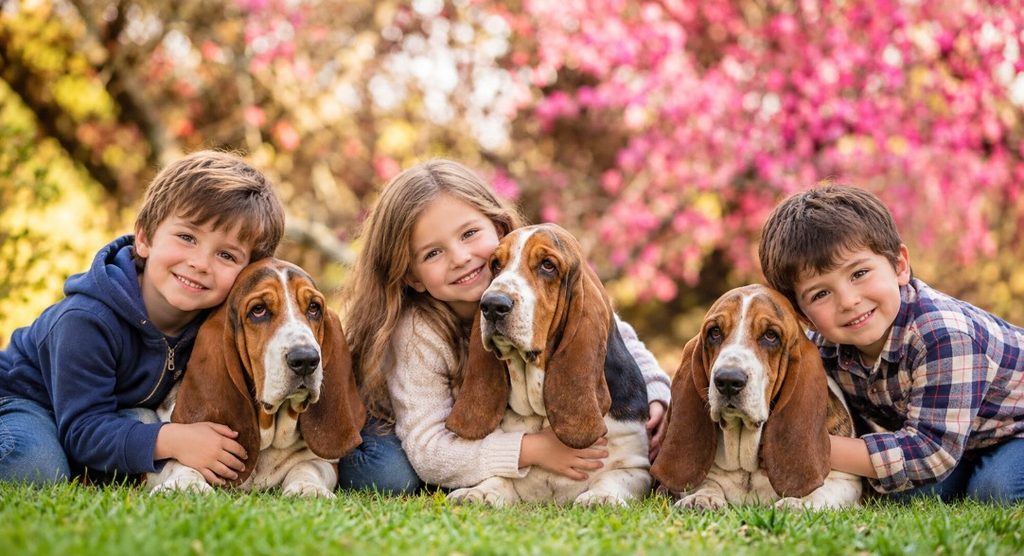
Basset Hounds have a reputation as good family dogs, and for the most part it is deserved. Their patient, sturdy, and good-natured personality often makes them tolerant of children’s energy. Many enjoy gentle play and are happy to be part of family activities.
That said, a few cautions apply:
- Supervision is important. Even gentle dogs can be pushed too far by rough handling. Teach children not to pull ears, tails, or skin.
- Protect the spine. Because of the breed’s long back, kids should not ride the dog, pick it up without help, or encourage jumping.
- Respect sleeping and eating time. Every dog deserves peace while resting or eating, and children should be taught to leave the dog alone during those times.
- Teach calm interactions. Soft petting and quiet play suit a Basset far better than chasing and roughhousing.
With guidance, children and Bassets often form close, lasting bonds.
Basset Hounds With Other Dogs and Pets
Thanks to their pack heritage, Bassets generally get along well with other dogs. Many thrive in multi-dog households and enjoy having a canine companion, especially when they are left alone for part of the day. Proper introductions and early socialization help ensure harmony.
With cats and small animals, the picture is more mixed. A Basset’s prey drive is geared toward small game, so rabbits, hamsters, and similar pets may trigger the dog’s hunting instincts. Many Bassets live peacefully with cats, particularly when raised together, but supervision and gradual introductions are wise. Small pets should be kept securely separated.

Basset Hounds With Strangers and Visitors
Most Bassets are friendly toward guests. They are not natural guard dogs, and many will greet visitors with wagging tails and slobbery enthusiasm. Some individuals are a little reserved at first, but outright aggression is unusual in well-bred, well-socialized dogs.
Their loud voice does give them some watchdog value, because they will announce arrivals. Still, they are more likely to lead a burglar to the treat jar than to chase them away. If a dog is overly fearful or shows aggression, it is worth consulting a veterinarian and a qualified trainer, since pain, poor socialization, or other causes may be involved.
Intelligence and Trainability
Bassets are often labeled “hard to train,” but a more accurate description is “hard to motivate.” They learn readily when they understand the benefit. The challenge is persuading a dog with a strong independent streak that your request is worth the effort.
What Works
- Positive reinforcement. Treats, praise, and play make training enjoyable. Small, soft treats work well for repeated practice.
- Short, fun sessions. Five to ten minutes at a time keeps the dog’s interest.
- Consistency. Everyone in the household should use the same cues and rules.
- Early start. Training and socialization during puppyhood establish good habits.
- Patience. Progress may be slower than with some breeds, and that is normal.
What Does Not Work
- Harsh corrections. Yelling, leash jerking, or punishment can cause a sensitive dog to shut down or become more resistant.
- Repetitive drills. A bored Basset will walk away, literally.
- Expecting off-leash reliability. Even well-trained dogs may not recall when a strong scent is present.
Special Challenges
House training often takes longer than expected. A consistent schedule, close supervision, and plenty of praise are key.
Leash manners require work, because Bassets pull toward scents. A harness, a short training leash, and rewards for loose-leash walking all help.
Recall should be practiced in secure areas and rewarded generously. Do not rely on it near roads.
Energy Levels and Activity Needs
Basset Hounds have moderate energy. They enjoy a daily walk and some play, but they are not built for high-intensity running or long-distance jogging. Their short legs, heavy bones, and long backs make gentle exercise the better choice.
Most adult Bassets do well with one or two moderate walks daily, plus mental stimulation. Without enough activity, they can gain weight quickly, which stresses the spine and joints. Without enough mental stimulation, they may turn to chewing, digging, or howling.
Good activities include:
- Sniffing walks at the dog’s own pace
- Scent games and hide-and-seek with treats
- Puzzle feeders and snuffle mats
- Gentle fetch or tug indoors
- Short, supervised outings to new places
Separation and Loneliness
Because they were bred to work in packs, Bassets tend not to enjoy solitude. A dog left alone for long hours may become bored, anxious, or destructive, and may bay or howl. Some develop true separation anxiety, which looks like extreme distress when the owner leaves.
To help your dog cope:
- Build alone time gradually, starting with a few minutes.
- Make departures low-key, without dramatic goodbyes.
- Provide enrichment, such as food puzzles and chew toys.
- Consider company, whether a second dog, a dog walker, or daycare.
- Seek professional help if distress is severe.
A Basset is happiest in a home where someone is around much of the day.
Common Behavior Challenges
Excessive Barking and Baying
As discussed above, noise is part of the package. Management, not elimination, is the realistic goal.
Counter Surfing and Food Theft
A Basset’s nose and appetite can lead to impressive thievery. Keep food out of reach, use secure bins, and train a reliable “leave it.”
Digging
Some Bassets dig, especially when bored or tracking a smell. A designated digging spot and plenty of enrichment can help.
Chewing
Puppies and bored adults may chew furniture and shoes. Provide appropriate chew toys and supervise closely.
Resource Guarding
Occasionally, a dog may guard food or toys. Never punish growling, which is a warning signal. Work with a qualified trainer using positive methods if guarding appears.
Stubborn “Shutdowns”
Some Bassets simply sit down and refuse to move on walks. Stay calm, avoid dragging the dog, and use treats or a cheerful tone to encourage forward motion.
Temperament Differences Between Individuals
Every dog is an individual. Genetics, early experiences, health, and training all shape personality. Some Bassets are outgoing and clownish, while others are quiet and reserved. Some are more food-obsessed, some more vocal, and some more independent.
Males and females may show slight tendencies, but individual variation tends to matter more than sex. Puppies from responsible breeders, raised in social home environments, often develop more stable temperaments. Meeting the parents can offer clues about how your puppy may turn out.
How Age Affects Temperament
Puppyhood. Playful, curious, mouthy, and prone to mischief. Early socialization and training are vital.
Adolescence. Independence peaks. A dog that seemed obedient may suddenly “forget” cues. Stay consistent.
Adulthood. Most Bassets settle into their calm, affectionate selves, though stubbornness remains.
Senior years. Older Bassets often become gentler and sleepier. Joint problems can limit activity, and comfort measures such as soft bedding and ramps become important.
Tips for Bringing Out the Best in Your Basset
- Socialize early. Introduce your puppy to many people, places, and sounds in a positive way.
- Use rewards. Make good behavior pay off.
- Respect the nose. Provide daily scent-based activities.
- Keep them lean. A healthy weight protects both body and mood.
- Offer companionship. Avoid leaving your dog alone for long stretches.
- Stay patient. Progress may be slow, but it is steady.
- Secure the yard. Check fences and gates regularly.
- Use a leash. Do not trust recall around traffic.
- Keep a sense of humor. Laughing at the quirks makes life easier.
Is the Basset Temperament Right for You?
A Basset may be a perfect match if you want a gentle, affectionate, and funny companion who enjoys family life, accepts a relaxed pace, and loves being close. You should be comfortable with training that requires patience, a dog that sometimes ignores you, and the sound of baying.
If you want a highly obedient, athletic, or quiet dog, or if you are away from home for long hours, another breed may suit you better. Being honest about your lifestyle is the kindest thing you can do for yourself and for the dog.
Frequently Asked Questions About Basset Hound Temperament
Conclusion
The Basset Hound’s temperament is a delightful paradox. This is a dog that can be gentle and goofy, affectionate and aloof, lazy and relentlessly determined, all within the space of a single afternoon. Its personality was shaped by centuries of scent tracking, and that heritage explains both the breed’s greatest charms and its biggest challenges.
For owners who understand and accept the Basset’s nature, the rewards are immense. You gain a loyal, loving companion who enjoys family life, greets everyone with a wag, makes you laugh daily, and turns every walk into an adventure. With early socialization, positive training, regular enrichment, and plenty of patience, a Basset can become a well-mannered and deeply cherished member of the household.
If you are ready for the drool, the baying, the stubborn standoffs, and the endless affection, a Basset Hound may be the perfect friend for you. Just remember to keep the treats secured and the sense of humor close at hand.