Basset Hound Characteristics: Looks, Personality, and Traits at a Glance
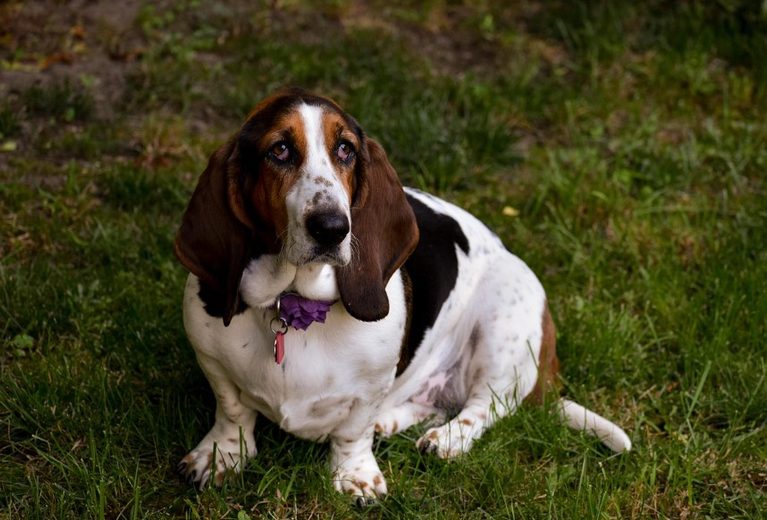
The Basset Hound is one of the most instantly recognizable dogs in the world. With its long ears, wrinkled brow, and low, heavy body, it looks like a dog designed by someone with a sense of humor. But the breed’s characteristics go far beyond appearance. Its temperament, instincts, health tendencies, and care needs are all shaped by a long history as a scent-tracking hunting dog.
This article walks through the key characteristics of the Basset Hound, including physical traits, personality, intelligence, energy, grooming, and health, so you can decide whether this breed suits you. Three frequently asked questions and a conclusion appear at the end.
Physical Characteristics
Size and Weight
Basset Hounds are short but surprisingly heavy. Adults typically stand about 11 to 15 inches at the shoulder and weigh around 40 to 65 pounds, sometimes more. They have some of the heaviest bone structure of any dog for their height, so a Basset feels much weightier than it looks.
Body Shape
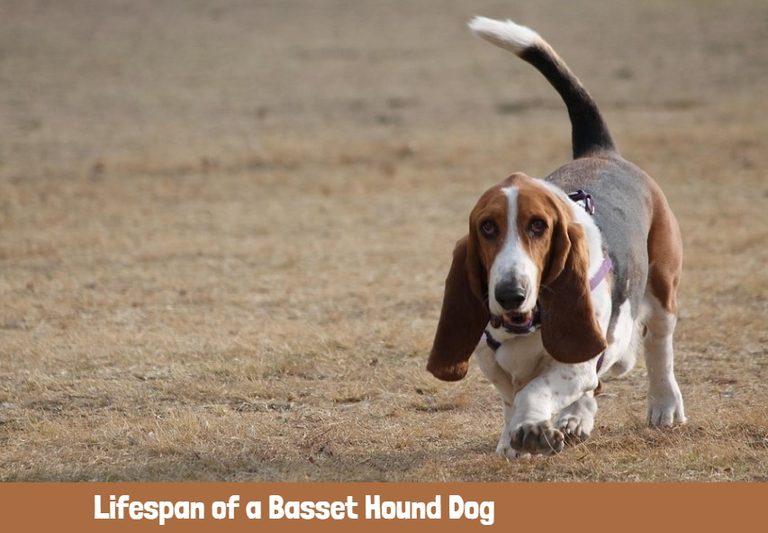
The breed has a long, low body, a deep chest, and short, sturdy legs. The front legs are slightly crooked, and the paws are large. This build was ideal for moving slowly through dense brush while following a scent trail, but it also places strain on the spine and joints.
Head, Eyes, and Ears
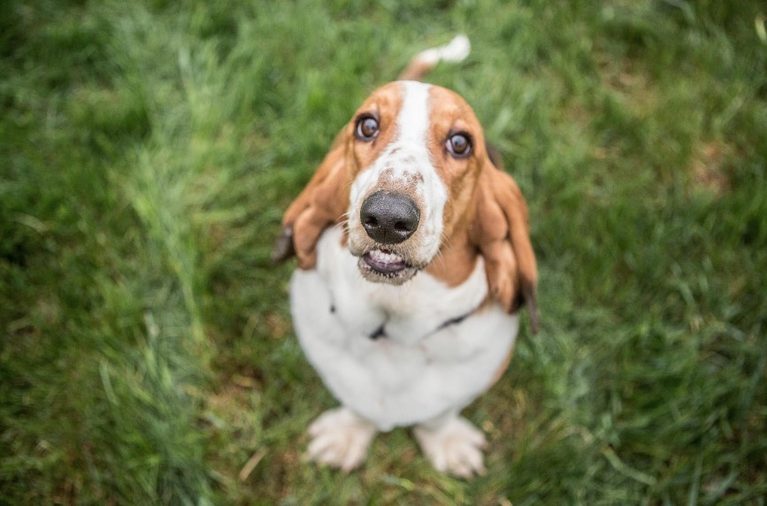
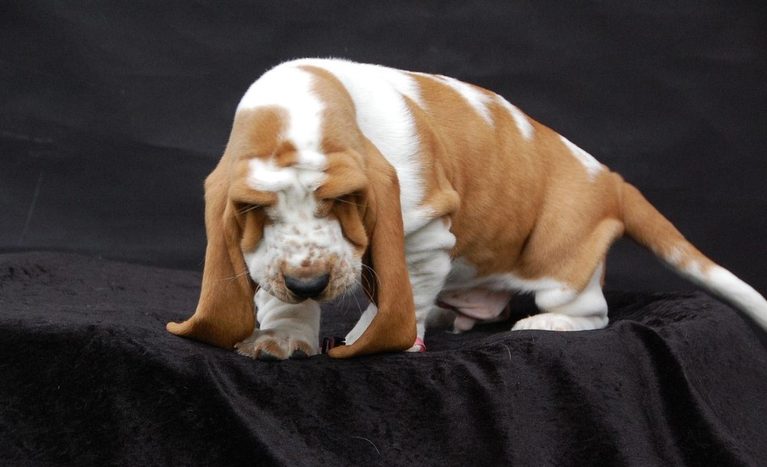
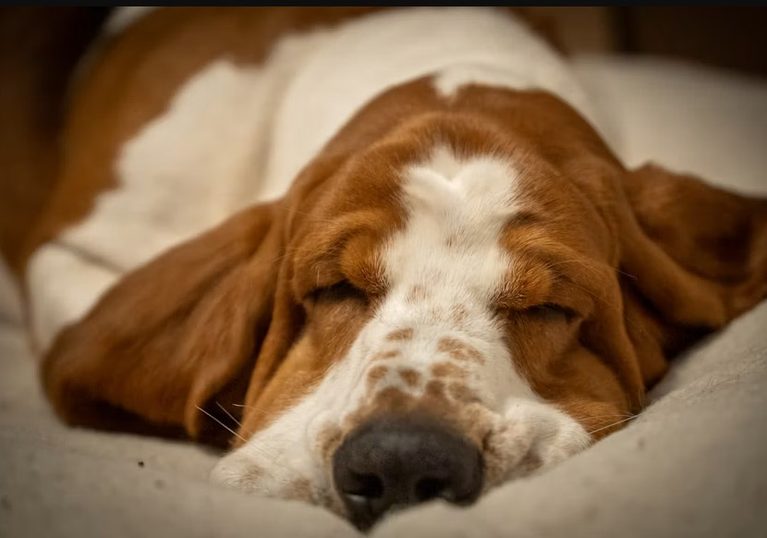
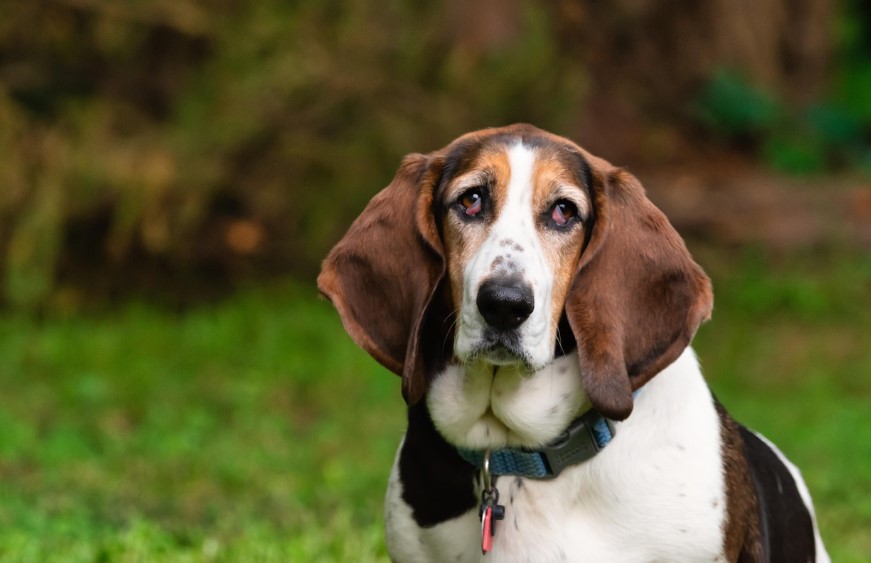
The domed skull, prominent brow, and loose, wrinkled skin create the breed’s famously sorrowful expression. The eyes are brown, soft, and slightly drooping. The ears are the breed’s signature feature: long, velvety, and low-set, often reaching beyond the end of the nose. Many people believe they help sweep scent toward the nose, and they certainly collect plenty of dirt, food, and moisture along the way.
Coat and Colors
The coat is short, smooth, and dense. Common colors include tricolor (black, white, and tan), red and white, and lemon and white. Coat color has no known effect on temperament or health.
Personality Characteristics
Gentle and Affectionate
Bassets are known for their sweet, loving nature. They bond closely with their families, follow people from room to room, and enjoy leaning against legs or resting a heavy head on a lap.
Laid-Back and Easygoing
Indoors, most Bassets are calm and happy to nap for hours. They rarely show the frantic energy of working or herding breeds, which makes them popular with owners who want a relaxed housemate.
Playful and Funny
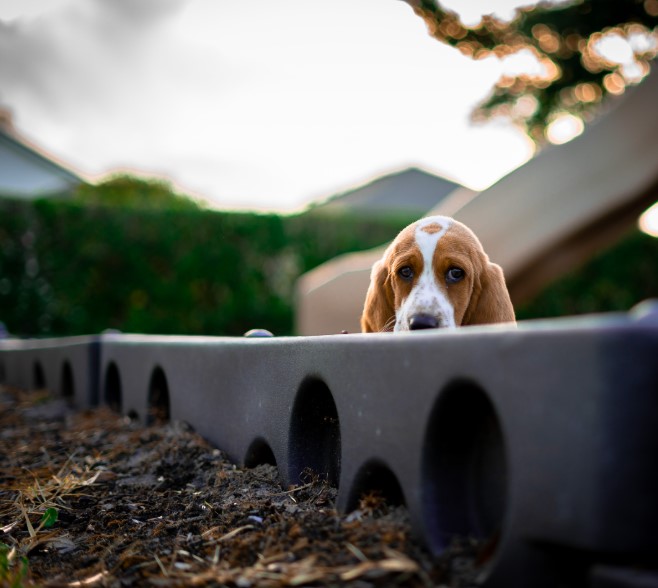
Beneath the calm exterior is a clown. Puppies tumble over their own ears, and adults keep a goofy sense of humor with odd sleeping positions, dramatic sighs, and occasional slow-motion zoomies.
Stubborn and Independent
This is the breed’s most famous trait. Bassets were bred to follow scent trails without waiting for instructions, so they tend to make their own decisions. They are intelligent, but they cooperate when they see a reason to, usually a treat.
Social and Pack-Oriented
Bassets traditionally worked in packs, so most enjoy company, whether human or canine. They generally get along well with children and other dogs, and they dislike being left alone for long periods.
Food-Driven
A Basset’s appetite is legendary. This can make training easier, but it also makes weight gain, counter surfing, and food theft constant risks.
The Nose and the Voice
An Extraordinary Sense of Smell
Bassets are among the best scent hounds in the dog world. Their noses drive much of their behavior. Walks become sniffing expeditions, recall can be unreliable when a fresh trail appears, and food hidden in a bag or pantry rarely stays hidden. Scent games and relaxed sniffing walks give the breed a healthy outlet.
A Deep, Musical Bay
Bassets bark, howl, and bay. The deep, carrying voice may be triggered by excitement, boredom, loneliness, or an interesting smell. It is charming to some and a challenge for those with close neighbors, so consider your living situation.
Intelligence and Trainability
Bassets are often called difficult to train, but a better description is hard to motivate. They learn well when training is short, positive, and rewarding. Harsh corrections tend to make them shut down or dig in. Key points include:
- Use positive reinforcement. Treats, praise, and play work best.
- Keep sessions short. Five to ten minutes holds a hound’s interest.
- Be consistent. Everyone in the household should use the same cues.
- Expect slow house training. A firm schedule and close supervision help.
- Do not rely on off-leash recall. A strong scent can override training, so use leashes or secure fencing.
Energy and Exercise Needs
Bassets have moderate energy. Most adults do well with one or two walks a day totaling 30 to 60 minutes, plus play and mental stimulation. They are not built for jogging or intense running. Because the long back and heavy front end are vulnerable, avoid repeated jumping and long stair climbs, especially for puppies. Bassets are also generally poor swimmers because of their heavy bones and short legs.
Grooming Characteristics
The short coat is easy to care for, but a few areas need regular attention:
- Coat: Brush weekly with a rubber curry brush or mitt. Bassets shed year-round.
- Ears: Check weekly for redness, odor, or discharge, and clean with a vet-approved solution.
- Skin folds: Wipe and dry the wrinkles to prevent irritation and odor.
- Nails and teeth: Trim nails every few weeks and brush teeth regularly.
- Drool and odor: Bassets drool and have a natural “houndy” scent, so keep a cloth handy and wash bedding often.
Health Characteristics
Most Bassets live about 10 to 12 years. The breed’s build and genetics predispose it to certain conditions:
- Ear infections from long, moisture-trapping ears
- Intervertebral disc disease from the long spine
- Hip and elbow dysplasia
- Obesity, which worsens almost every other problem
- Bloat, a life-threatening emergency in deep-chested dogs
- Eye and skin problems, including eyelid abnormalities and fold infections
Keeping your dog lean, protecting the back, caring for the ears, and keeping up with veterinary visits are the best ways to support long-term health.
Frequently Asked Questions
1. What are the main characteristics of a Basset Hound?
Bassets are short, heavy-boned dogs with long ears, wrinkled faces, and a powerful sense of smell. They are gentle, affectionate, sociable, stubborn, vocal, and food-driven. They are calm indoors but determined outdoors when following a scent.
2. Are Basset Hounds good family dogs?
Yes, in most cases. They are patient, friendly, and usually good with children and other pets. They do best in homes where someone is around much of the day, and children should be taught to handle them gently and protect their backs.
3. Do Basset Hounds need a lot of exercise?
No, but they do need regular, moderate activity. Daily walks, sniffing time, and gentle play keep them fit and prevent weight gain. Avoid intense running and repeated jumping, which can strain the spine and joints.
Conclusion
The Basset Hound’s characteristics make it a dog of delightful contrasts: gentle yet stubborn, lazy yet relentlessly curious, goofy yet deeply loyal. Its droopy looks and mellow manner hide a determined scent hunter with a nose that rules its world and a voice that announces every arrival.
For owners who understand these traits, the rewards are great. Respect the nose, train with patience and treats, keep your dog lean, protect the long back, and care for those ears. Do that, and a Basset Hound will repay you with years of affection, humor, and companionship.