Full Grown Basset Hound: Size, Weight, Appearance, Temperament, and Lifelong Care
A Basset Hound puppy is a tumble of ears and paws, but a full grown Basset is something else entirely: a heavy-boned, long-bodied, dignified hound with a deep voice and a nose that governs its universe. Adult Bassets are calmer than puppies, more settled in their habits, and every bit as stubborn. Owners who love the breed often say the best part begins after the puppy chaos ends.
This guide covers what to expect from a full grown Basset Hound: how big they get, when they stop growing, how they look and behave as adults, how to feed, exercise, groom, and protect them, which health problems appear in adulthood and old age, and what daily life is like. A detailed FAQ and conclusion follow at the end.
How Big Is a Full Grown Basset Hound?
Height and Weight
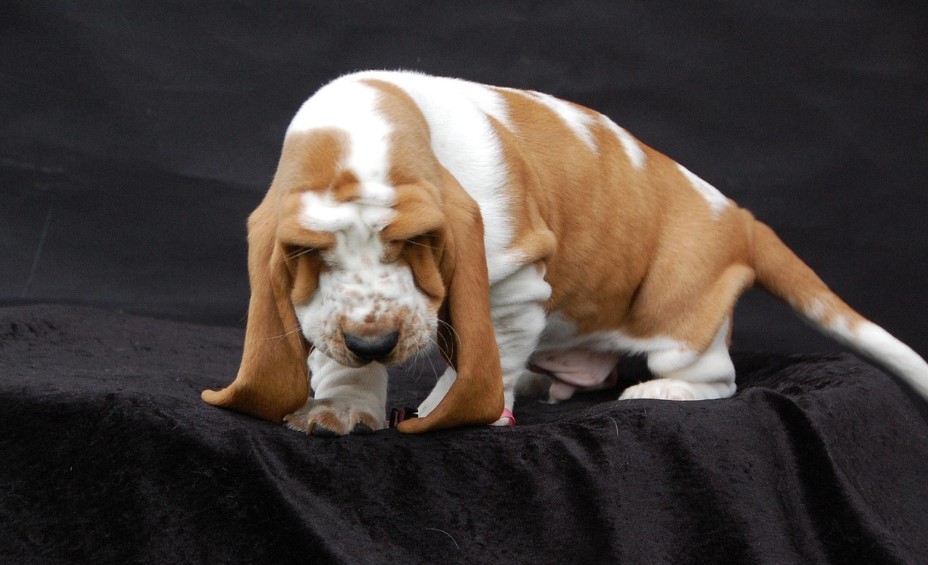
Most adult Bassets stand about 11 to 15 inches tall at the shoulder and weigh roughly 40 to 65 pounds. Males are usually larger than females. Some healthy, large-framed dogs weigh more, but a Basset carrying 70 pounds or more is often overweight, since the breed’s short legs and long spine cannot comfortably support extra bulk.
| Measure | Typical adult range |
|---|---|
| Height at shoulder | 11 to 15 inches |
| Weight | 40 to 65 pounds |
| Body length | Noticeably longer than tall |
| Lifespan | About 10 to 12 years |
Why They Feel So Heavy
Bassets have some of the densest bones of any dog for their height. A 14-inch Basset can feel as heavy as a much taller dog when you lift it. This matters for lifting, car travel, stairs, and veterinary dosing.
When Do Bassets Stop Growing?
- By 6 months: Rapid height and length growth slows, and many puppies reach most of their adult height.
- By 12 months: Most reach full height, though they still look lanky or unfinished.
- 12 to 24 months: The chest deepens, muscles develop, and the dog fills out.
- Around 2 to 3 years: Many Bassets are fully mature physically and mentally.
Bassets mature more slowly than many small breeds, so a one-year-old may still act like a puppy while looking nearly adult.
Appearance of an Adult Basset
Body
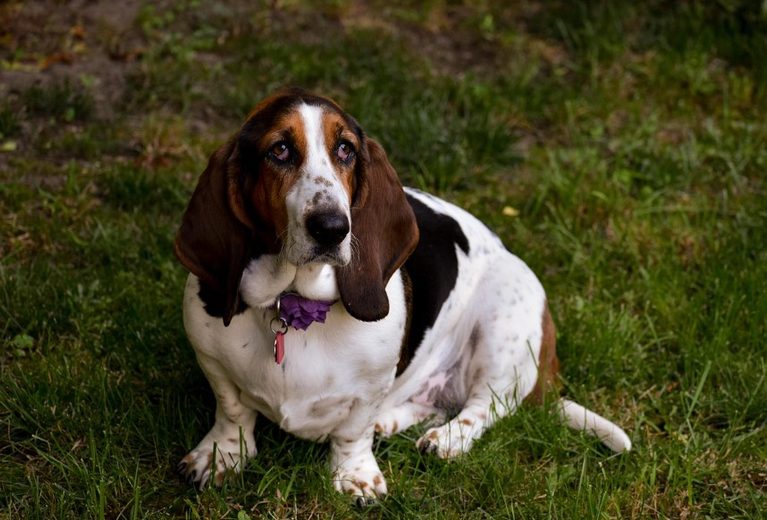
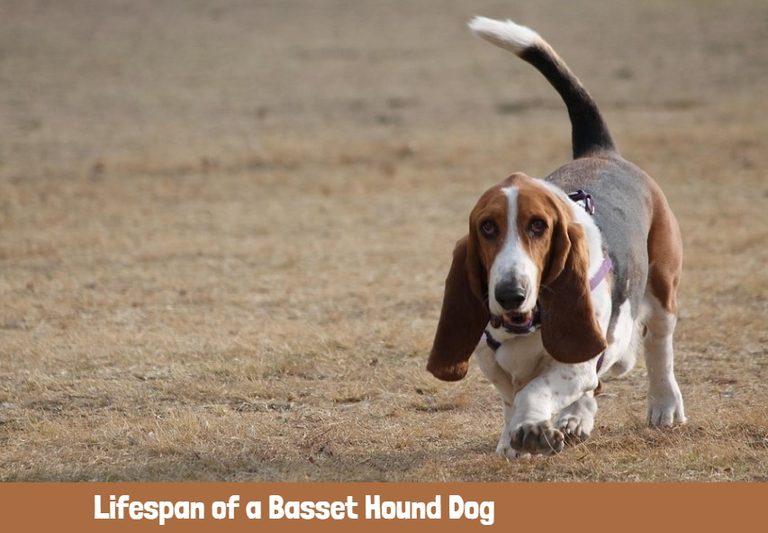
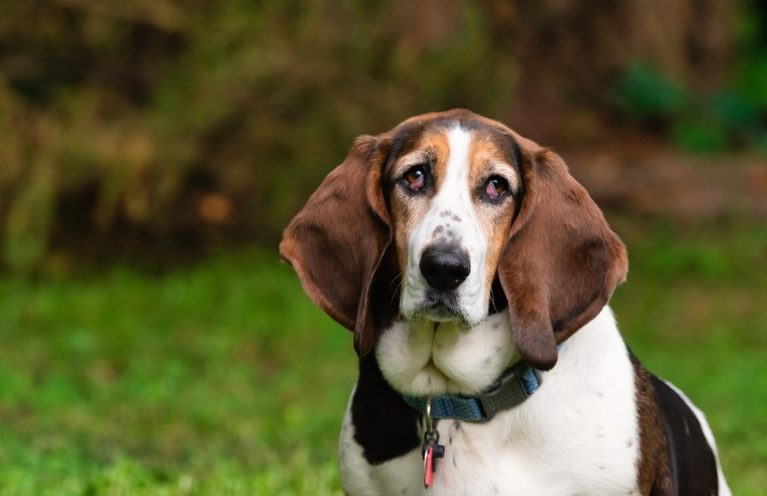
A full grown Basset has a long, low, powerful body with a deep chest, short crooked front legs, and large paws. The skin is loose and elastic, especially around the neck, brow, and legs. The structure was designed for slow, steady scent tracking, not speed.
Head and Ears
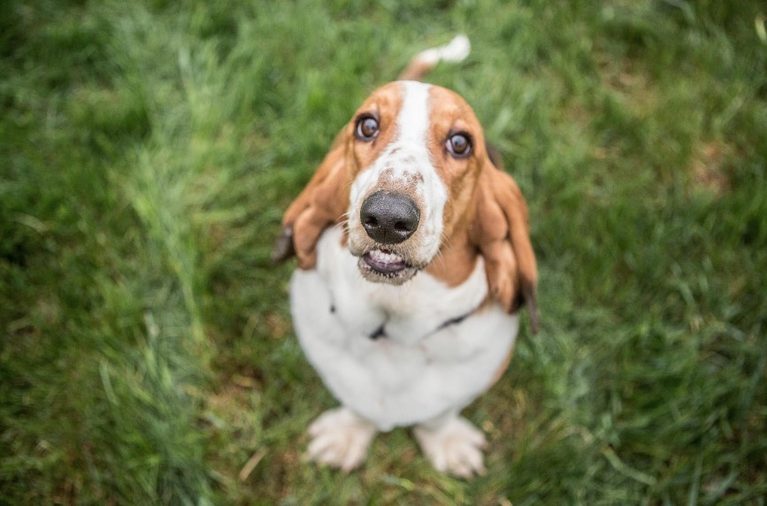
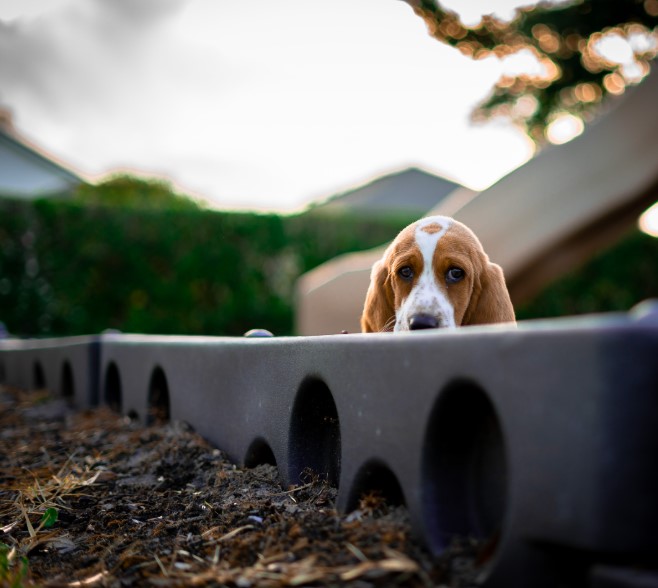
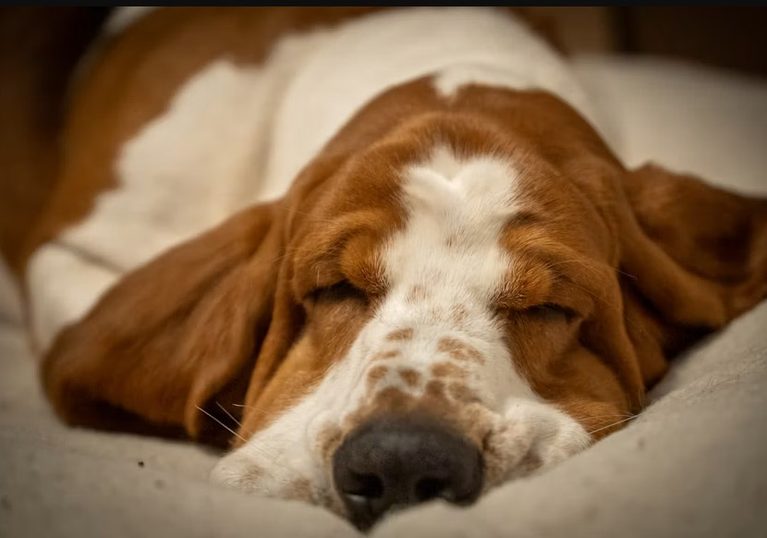
The domed skull, prominent brow, and wrinkled forehead create the famous sorrowful expression. The ears are long, soft, and low-set, often extending beyond the nose. Eyes are brown, soft, and slightly drooping, and some dogs show a little of the lower lid.
Coat and Colors
The coat is short, smooth, and dense. Common colors include tricolor, red and white, lemon and white, and other hound combinations. Coat color has no known effect on temperament or health.
Changes With Age
Adults gradually show:
- Gray or white around the muzzle, usually from age seven or eight
- Slower movement and some stiffness
- Cloudier eyes in older dogs
- Thinner muscle over the hindquarters in seniors
- A tendency to gain weight in middle age
Temperament of an Adult Basset
Calmer Than Puppyhood
Puppies are playful and mischievous. Adults are generally more relaxed, spending much of the day napping while staying close to their people. Many become strongly attached and follow family members from room to room.
Affectionate and Sociable
Adult Bassets are usually warm with family, welcoming with guests, and friendly toward other dogs. Pack heritage makes them dislike long periods alone.
Stubborn and Independent
Adulthood does not erase the breed’s independence. A grown Basset on a scent trail may simply ignore you. They are intelligent, but they were bred to make their own decisions.
Vocal
Barking, howling, and baying continue into adulthood. Many adult Bassets bay at sirens, delivery drivers, and interesting smells, and some vocalize when bored or lonely.
Food-Driven
An adult Basset’s appetite is famous. Counter surfing, bin raiding, and begging are common, and weight control becomes the central daily challenge.
Gentle With Family
Most are patient with children and tolerant of normal household activity. Supervision remains wise, and children should be taught to avoid pulling ears and to never lift the dog without help.
Feeding a Full Grown Basset Hound
Choose the Right Adult Food
Switch from puppy to adult food at around 12 to 18 months, following your vet’s advice. Choose a complete and balanced formula suited to a medium-sized, heavy-boned dog with moderate energy needs. Avoid constantly changing foods.
Portions
Most adults do well on two measured meals a day. The right amount depends on the food’s calorie content, the dog’s age, activity, and body condition. Use the package guidelines as a starting point and adjust with your vet’s help.
Maintaining a Healthy Weight
Weight is the single most important health factor for an adult Basset. Extra weight strains the spine and joints, raises the risk of disc disease and arthritis, worsens heart and breathing health, and shortens life.
To check body condition:
- You should feel the ribs easily under a thin layer of fat
- You should see a visible waist when looking from above
- The belly should tuck up slightly when viewed from the side, even on a long-bodied dog
If you cannot feel the ribs, your dog likely needs fewer calories and more activity. Ask your vet to assess body condition and suggest a target weight.
Treats
Count treats toward the daily total, and use small pieces. Many owners use part of the regular kibble ration for training rewards. Avoid table scraps, and never feed chocolate, grapes, raisins, onions, garlic, or anything containing xylitol.
Preventing Bloat
Deep-chested dogs can suffer from gastric dilatation-volvulus, or bloat, a life-threatening emergency in which the stomach fills with gas and may twist. To lower risk:
- Feed two or more measured meals daily
- Use a slow feeder if your dog gulps
- Avoid vigorous exercise right before and after meals
- Learn the signs: swollen belly, unproductive retching, restlessness, drooling, and distress
If you suspect bloat, go to an emergency vet immediately.
Water
Provide fresh water at all times, and wipe the ears and jowls after drinking.
Exercise for an Adult Basset
Adult Bassets have moderate energy, but they still need regular activity to stay lean and mentally healthy.
Daily Activity
- One or two walks totaling about 30 to 60 minutes
- Sniffing time, allowing the dog to explore at its own pace
- Gentle play in a fenced yard
- Scent games, such as hiding treats around the house or garden
- Puzzle feeders and snuffle mats
What to Avoid
- Jogging and long, strenuous runs
- Repeated jumping on and off furniture or out of vehicles
- Long, steep stair climbing
- Rough play with much larger dogs
- Exercise in hot weather
Swimming
Bassets are generally poor swimmers because of their heavy bones and short legs. Supervise closely near water and use a life vest if you introduce swimming.
Leash and Fence Safety
A scent can override all training. Keep your Basset on a leash or in a securely fenced area, and check fences for gaps and weak spots. Microchip your dog.
Training an Adult Basset
It Is Never Too Late
Adult Bassets can learn new skills, whether you adopted a grown dog or want to refine habits. Training is often easier with an adult than a puppy because attention spans are longer and impulse control is better.
What Works
- Positive reinforcement. Treats, praise, and play
- Short sessions. Five to ten minutes at a time
- Consistency. Everyone in the household uses the same cues
- High-value rewards. Soft, smelly treats for tougher tasks
- Patience. Progress may be slower than with some breeds
What Does Not Work
- Harsh corrections or leash jerking
- Long, repetitive drills
- Expecting reliable off-leash recall
Common Adult Issues
Pulling on the leash. Use a harness, reward loose-leash walking, and allow sniffing breaks as a reward.
Excess barking or baying. Provide exercise and enrichment, teach a quiet cue, and avoid leaving the dog alone too long.
Counter surfing. Keep food out of reach, and teach a reliable “leave it.”
Selective hearing. Practice recall in secure areas with great rewards, and use a long line outdoors.
Separation distress. Build alone time gradually, and provide toys and company.
Grooming a Full Grown Basset
Coat
Brush weekly with a rubber curry brush or mitt. Bassets shed year-round, with heavier periods in spring and fall. Bathe every month or two, or when dirty, using a gentle dog shampoo.
Ears
Check weekly for redness, odor, discharge, or excess wax, and clean with a vet-approved solution. The long ears trap moisture and debris, and infections are common.
Skin Folds
Wipe the wrinkles on the face, lips, and body with a damp cloth, and dry thoroughly to prevent irritation and odor.
Eyes
Wipe discharge gently. Some Bassets have loose lower lids that collect debris. Persistent redness should be examined.
Nails
Trim every few weeks. Long nails alter how a low-slung dog walks and strain the back.
Teeth
Brush several times a week with dog-safe toothpaste, and schedule professional cleanings as your vet advises.
Drool and Odor
Adult Bassets drool, particularly around food and water, and have a natural “houndy” smell. Frequent washing of bedding and cleaning of folds and ears keeps odor under control.
Health Concerns in Adult Bassets
Ear Infections
Among the most common problems. Regular cleaning and prompt treatment protect comfort and hearing.
Intervertebral Disc Disease (IVDD)
The long back puts stress on the spine. Signs include pain, reluctance to move, yelping, hunched posture, wobbling, or weak hind legs. IVDD is an emergency.
Obesity
Extremely common and strongly linked to back, joint, and heart problems.
Hip and Elbow Dysplasia and Arthritis
Joint disease can cause stiffness and pain, particularly in older dogs. Weight control, comfortable bedding, and veterinary pain management help.
Bloat
An emergency in deep-chested dogs. Know the signs.
Eye Conditions
Glaucoma and eyelid abnormalities such as ectropion and entropion can occur. Watch for squinting, redness, and cloudiness.
Skin Problems
Folds, allergies, and yeast infections can cause itching and odor.
Inherited Blood and Immune Disorders
Some lines carry conditions such as certain platelet function disorders. Tell your vet if your dog bruises or bleeds unusually.
Cancer and Heart Disease
As in many breeds, these become more likely with age. Run your hands over your dog monthly to check for lumps, and keep up with veterinary exams.
Dental Disease
Common and preventable with brushing and cleanings.
Preventive Care
- Annual veterinary exams, and twice yearly after about age seven
- Up-to-date vaccinations and parasite prevention
- Microchipping
- Dental care
- Weight monitoring
- Pet insurance or an emergency fund
Protecting the Spine and Joints
- Keep your dog lean. This is the most important protection.
- Lift correctly. Place one hand under the chest and the other supporting the hindquarters, keeping the spine level.
- Use ramps. Provide steps or ramps for sofas, beds, and vehicles.
- Limit stairs. Block stairs where possible, especially as your dog ages.
- Provide traction. Rugs and runners help on slippery floors.
- Use a harness. It spreads pressure better than a collar.
- Keep muscles toned. Steady daily walking supports the spine.
- Provide supportive bedding. Orthopedic beds help joints.
Life Stages of an Adult Basset
Young Adult: 2 to 5 Years
Physically mature and full of energy by Basset standards. Focus on training, routine, and weight control. Watch for the habits, good and bad, that will define the rest of life.
Middle Age: 5 to 8 Years
Metabolism slows, and weight creeps up easily. Adjust portions, keep walking, and begin watching for stiffness, dental changes, and lumps.
Senior: 8 Years and Older
Many Bassets become seniors around seven or eight. Slower movement, more sleep, graying, and joint stiffness are normal. Biannual vet visits, blood work, and joint care help catch problems early.
Geriatric: 10 Years and Beyond
Comfort becomes the priority. Provide soft bedding, ramps, non-slip floors, pain management, and easy access to food, water, and outdoor spaces. Discuss quality of life honestly with your vet.
Caring for a Senior Basset
- Provide orthopedic bedding
- Use ramps and rugs to ease mobility
- Offer shorter, more frequent walks
- Adjust diet as your vet advises
- Keep up with dental, ear, and skin care
- Ask about pain relief, and never give human medication without veterinary approval
- Maintain gentle mental stimulation with scent games and puzzle toys
- Watch for changes in appetite, thirst, bathroom habits, and behavior
Do not assume every change is just age. Increased thirst, weight loss, limping, coughing, and confusion can have treatable causes.
Living With a Full Grown Basset
Home Environment
Bassets adapt to houses and apartments if their needs are met, though stairs and neighbors can be concerns. They do best with a secure yard and a household where someone is home much of the day.
Children and Other Pets
Adult Bassets are usually tolerant of children and get along well with other dogs. Introduce cats gradually. Small pets such as rabbits may trigger hunting instincts.
Being Alone
Build alone time gradually, and provide toys and enrichment. A dog walker or daycare can help on long workdays.
Travel
Use a secure harness or crate in the car. Do not let a Basset jump out of a vehicle. Lift the dog or use a ramp.
Weather
Heavy-bodied Bassets can overheat in hot weather, and short legs bring the chest close to cold or wet ground. Exercise in cooler hours in summer, and dry your dog after wet walks in winter.
Adopting a Full Grown Basset
Adult Bassets are often available through rescue groups and shelters, sometimes because owners underestimated the breed’s needs. Adopting an adult offers real advantages:
- You can see the dog’s actual size, temperament, and energy
- Many adults are already house trained and past the chewing stage
- Rescue staff and foster families can describe personality
- Adoption fees are typically lower than breeder prices
- Many dogs are vaccinated, microchipped, and neutered
Questions to Ask a Rescue
- What is the dog’s history and age?
- How does the dog behave with children, other dogs, and cats?
- Are there any known health problems, such as back, ear, or weight issues?
- Is the dog house trained and crate trained?
- How much does the dog bay or howl?
- What is the dog’s current weight, and is a weight loss plan needed?
Settling In
Give your new dog a quiet space, a consistent routine, and time. Many adopted dogs take weeks to relax fully. Be patient and keep training positive.
Costs of Owning an Adult Basset
- Food: Moderate, depending on quality and portion size
- Routine veterinary care: Annual exams, vaccines, parasite prevention
- Ear and dental care: Cleaning products and professional cleanings
- Grooming supplies: Brushes, wipes, shampoo, nail clippers
- Supplies: Bedding, ramps, harness, leash, toys
- Training: Classes or private sessions if needed
- Boarding or pet sitting
- Pet insurance or emergency savings: Valuable given the risk of disc disease and ear problems
Costs vary by region, so get local quotes.
Common Mistakes With Adult Bassets
- Letting weight creep up. Extra pounds cause pain and shorten life.
- Skipping ear care. Small problems become painful infections.
- Allowing jumping and long stair climbing. The spine pays the price.
- Trusting off-leash recall. Scent overrides training.
- Ignoring subtle back pain. Early care matters.
- Leaving the dog alone for long hours. Loneliness leads to baying and destruction.
- Skipping dental care. Dental disease affects overall health.
- Feeding table scraps. Treats and scraps add up quickly.
- Overexercising in heat. Heavy hounds overheat.
- Assuming training is finished. Adults need consistent reinforcement too.
Frequently Asked Questions
1. How big is a full grown Basset Hound?
Most adults stand 11 to 15 inches tall and weigh about 40 to 65 pounds. Males are usually larger than females. Dogs much heavier than this range are often overweight.
2. At what age is a Basset Hound full grown?
Most reach full height by about 12 months, but they continue filling out and gaining muscle until around two to three years of age.
3. How much should a full grown Basset weigh?
It depends on frame and height, but most healthy adults fall between 40 and 65 pounds. Your vet can assess body condition and suggest a target weight for your dog.
4. How long do full grown Bassets live?
Typically about 10 to 12 years, with some reaching 13 or 14. Weight control, spine protection, ear and dental care, and regular veterinary visits support longevity.
5. How much exercise does a full grown Basset need?
About 30 to 60 minutes daily, split into walks and play, with plenty of time to sniff. Avoid jogging, repeated jumping, and hot-weather exercise.
6. How much should I feed an adult Basset?
Most adults eat two measured meals a day. The amount depends on the food, activity, and body condition. Follow package guidelines and adjust with your vet’s help to keep your dog lean.
7. Do adult Bassets calm down?
Yes, most become calmer after the first two to three years, though they remain stubborn and food-driven. Many are happy to nap for much of the day.
8. Do full grown Bassets bark a lot?
Many bark, howl, or bay, especially when bored, lonely, or following a scent. Exercise, enrichment, and companionship reduce unwanted noise, but you should expect some.
9. Are full grown Bassets good family dogs?
Yes, usually. They are patient, friendly, and sociable. They do best in homes where someone is around much of the day, and children should be taught to handle them gently and protect their backs.
10. Can a full grown Basset climb stairs?
Many can, but repeated stair climbing strains the spine, especially in overweight or older dogs. Use ramps, block stairs where possible, and carry the dog with proper support when needed.
11. Is it hard to train a full grown Basset?
They are stubborn but trainable. Positive reinforcement, short sessions, and good treats work best. Adults often learn more easily than puppies because they can focus longer.
12. Why is my full grown Basset overweight?
Common causes are overfeeding, too many treats, too little exercise, and slowing metabolism with age. Measure meals, cut back on treats, increase gentle activity, and ask your vet for a weight plan.
Conclusion
A full grown Basset Hound is a wonderful, funny, and deeply affectionate companion. The ears have stopped tripping the puppy, the clumsy phase has passed, and what remains is a dignified, heavy-boned hound with a nose for adventure, a voice for announcements, and a talent for relaxation.
Caring for an adult Basset comes down to a few essential habits: keep the dog lean, protect the long back, clean the ears and skin folds, provide daily walks and scent play, train with patience and rewards, and keep up with veterinary care as the years pass. Adjust as your dog moves from young adult to senior, and always keep comfort and quality of life in focus.
Do that, and your Basset will repay you with a decade or more of loyalty, humor, and lazy, loving companionship. Few dogs combine such sorrowful looks with such a cheerful spirit, and few are as rewarding to live with once the puppy years are behind you.