Basset Hound Dog: Breed Overview, Personality, Care, and Everything You Need to Know
With its heavy, wrinkled brow, ears that sweep the ground, and a gait that looks like a slow, determined waddle, the Basset Hound is one of the most recognizable dogs in the world. It has starred in advertisements, films, and cartoons, and it has won a loyal following among families who appreciate its gentle charm. Yet behind the comic looks is a serious scent hound with a remarkable nose, an independent mind, and a very specific set of needs.
This guide covers the Basset Hound dog from every angle: its history, physical traits, temperament, training, exercise, feeding, grooming, health, and cost of ownership. It also helps you decide whether this breed fits your household. Four frequently asked questions and a conclusion at the end will round out the picture.
History of the Basset Hound
The Basset Hound began in France, and its name comes from the French word bas, meaning “low.” The breed is generally linked to hounds kept by French monasteries and nobility, which were valued for tracking game on foot. A low, heavy-boned dog moved slowly enough for hunters without horses to keep pace, and its powerful nose let it follow rabbit and hare trails through thick undergrowth.
Over time, French breeders developed distinct basset types. English breeders later refined the dog further, crossing it with Bloodhounds to strengthen scenting ability and enhance the loose skin and long ears that define the breed today. By the nineteenth century, Bassets had reached Britain and North America, where they gained popularity at dog shows and as family pets.
Today the Basset Hound is recognized by major kennel clubs around the world. Although few modern Bassets hunt, the instincts of their ancestors remain strong, and nearly every quirk of the breed, from the stubborn streak to the baying voice, traces back to that working past.
Physical Characteristics
Size and Weight
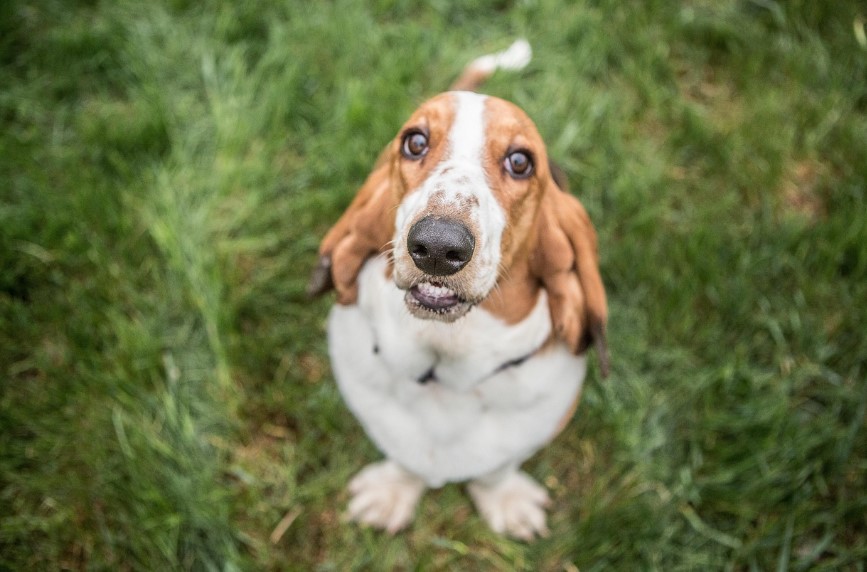
Bassets are short but substantial. Adults typically stand about 11 to 15 inches at the shoulder and weigh around 40 to 65 pounds, sometimes more. They are among the heaviest-boned dogs for their height, which means a Basset feels much heavier than it looks.
Size and Weight
The breed has a long, low body, a deep chest, short crooked front legs, and a strong, muscular frame. This structure was ideal for scent tracking, but it also creates specific health concerns, especially for the spine, joints, and weight management.
Head and Face
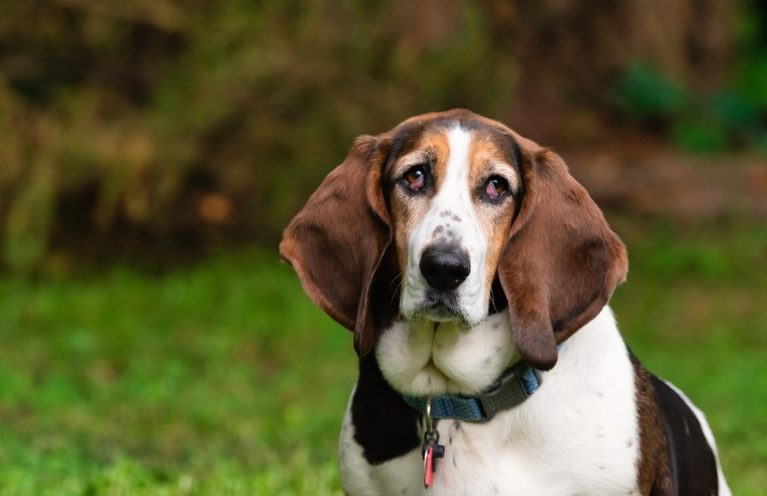
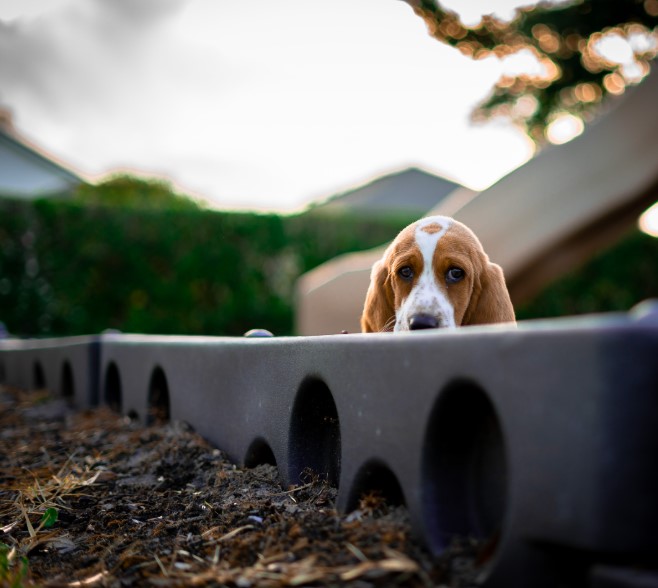
The domed skull, prominent brow, and loose, wrinkled skin create the breed’s famously sad expression. Brown eyes are soft and slightly drooping, and the muzzle is long and deep with pendulous lips.
Ears
The ears are long, soft, and low-set, often extending past the end of the nose. Many people believe they help sweep scent toward the dog’s nose, though they also collect dirt, food, and moisture.
Coat and Colors
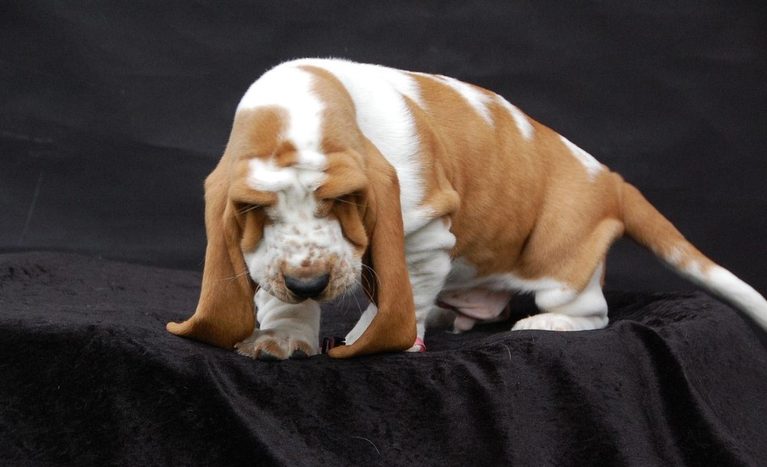
The coat is short, smooth, and dense. Common colors include tricolor (black, white, and tan), red and white, lemon and white, and other hound combinations. Coat color has no known bearing on temperament or quality.
Temperament and Personality
Sweet and Affectionate
Bassets are known for their gentle, loving nature. They bond closely with their families, follow their people from room to room, and love leaning against legs or resting a heavy head on a lap.
Laid-Back at Home
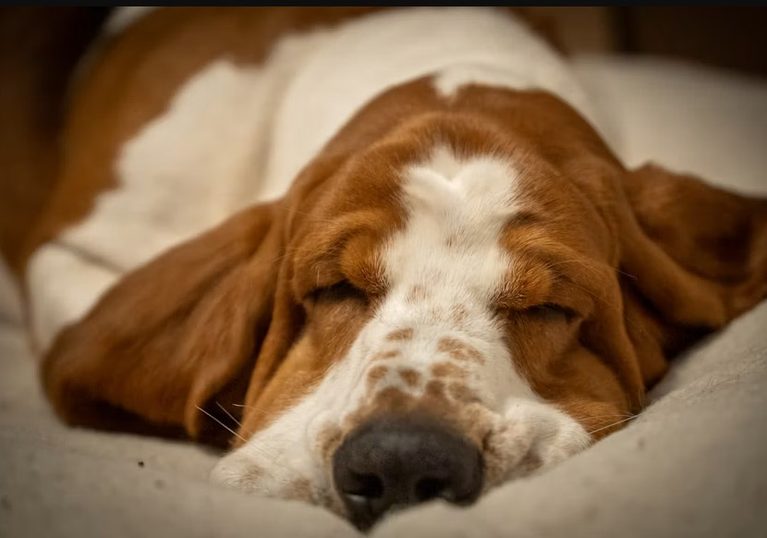
Indoors, most Bassets are calm. They enjoy naps, soft bedding, and the company of their family. This easygoing attitude suits many households, though it can also encourage weight gain if exercise is neglected.
Playful and Comical
Basset puppies tumble over their ears, and adults keep a goofy sense of humor, with unusual sleeping positions, dramatic sighs, and occasional slow-motion zoomies.
Stubborn and Independent
What Happens When They Mix
Bred to follow scent trails without direction, Bassets are strong-willed. They are intelligent, but they tend to do what interests them rather than what they are told. Understanding this trait is the key to living happily with one.
Sociable and Pack-Oriented
Bassets traditionally worked in packs, so most enjoy company and get along well with children and other dogs. They dislike being left alone for long periods.
Vocal
Bassets bark, howl, and bay. The deep, musical voice carries far and may be triggered by boredom, loneliness, excitement, or an interesting smell.
Food-Driven
The Basset’s appetite is famous. This helps with training but makes obesity and food theft constant risks.
The Power of the Nose
A Basset’s sense of smell is among the best in the dog world, second only to the Bloodhound in many descriptions. Scent shapes the breed’s behavior:
- Walks turn into sniffing expeditions
- Recall can be unreliable when a trail is fresh
- Escape attempts happen if a gate or fence gap offers access to a promising scent
- Food in pockets, bags, and bins rarely goes unnoticed
Rather than fighting this instinct, work with it. Scent games, snuffle mats, hiding treats, and relaxed “sniffari” walks provide a healthy outlet and tire a dog out mentally.
Living With Children and Other Pets
Most Bassets are patient and sturdy with children, making them popular family dogs. Supervision is still important. Teach children to avoid pulling ears or tails, to leave the dog alone while eating or sleeping, and never to ride or lift the dog without adult help, since the long back is delicate.
Bassets usually get along with other dogs thanks to their pack background. Many live peacefully with cats, particularly when raised together. Small animals like rabbits and hamsters may trigger hunting instincts and should be kept safely separated.
Training a Basset Hound
Bassets are often called difficult to train, but a better description is hard to motivate. They learn quickly when they see a reason to cooperate.
What Works
- Positive reinforcement. Treats, praise, and play make training enjoyable.
- Short sessions. Five to ten minutes keeps attention high.
- Consistency. Everyone in the household should use the same cues and rules.
- Early start. Begin training and socialization in puppyhood.
- Patience. Progress may be slower than with some breeds.
What Does Not Work
- Harsh corrections, which can make a sensitive dog shut down
- Long, repetitive drills that bore a hound
- Relying on off-leash recall near traffic
Key Skills
- House training: Often takes longer than expected. Use a schedule, supervision, crate training, and rewards.
- Leash manners: A harness and treat rewards for loose-leash walking help.
- Recall: Practice in secure areas and never trust it near roads.
- Leave it: Essential for a scavenger.
- Quiet: Reward silence to manage baying.
Socialization
During the first few months, introduce your puppy to different people, sounds, surfaces, and friendly dogs in positive ways. A well-socialized Basset grows into a more confident adult.
Exercise Requirements
Bassets have moderate energy. Most adults do well with one or two walks daily totaling 30 to 60 minutes, plus play and mental stimulation. Good options include:
- Sniffing walks at the dog’s pace
- Scent games and hide-and-seek with treats
- Puzzle feeders and snuffle mats
- Gentle play in a fenced yard
Avoid intense running, repeated jumping, and long stair climbing, particularly for puppies. A long back and heavy front end make joints and spine vulnerable. Keep your dog on a leash or in a securely fenced area at all times.
Bassets are generally poor swimmers because of their heavy bones and short legs. Supervise closely around water and consider a life vest.
Feeding and Nutrition
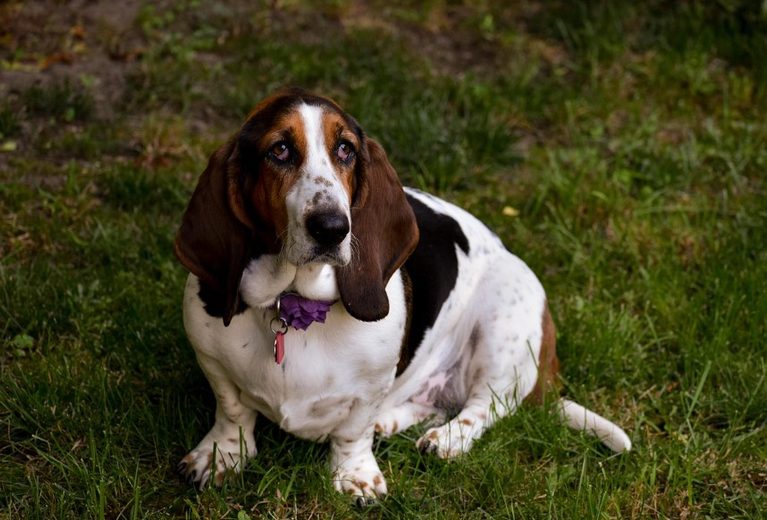
Bassets gain weight easily, and obesity is one of the biggest threats to their health.
- Choose a complete and balanced food suited to age, size, and activity.
- Measure meals rather than free feeding.
- Feed adults twice a day, puppies three to four smaller meals.
- Count treats toward daily calories.
- Use slow feeders to prevent gulping.
- Check body condition. You should feel ribs under a thin layer of fat and see a waist.
- Avoid hard exercise around mealtimes. Deep-chested dogs can suffer from bloat (gastric dilatation-volvulus), a life-threatening emergency. Signs include a swollen belly, unproductive retching, restlessness, and drooling.
Provide fresh water at all times, and wipe the ears and jowls after drinking.
Grooming and Care
The short coat is easy to maintain, but several areas need regular attention.
Coat. Brush weekly with a rubber curry brush or mitt. Bassets shed year-round, with heavier periods seasonally. Bathe every month or two with a gentle shampoo.
Ears. This is the most important task. Check weekly for redness, odor, discharge, or excess wax, and clean with a vet-approved solution. Avoid deep cotton swab use.
Skin folds. Wipe the wrinkles on the face and body and dry them well to prevent irritation and odor.
Eyes. Some Bassets have droopy lower lids that collect debris. Wipe gently and tell your vet about persistent redness.
Nails. Trim every few weeks. Long nails change how a low-slung dog walks.
Teeth. Brush several times a week with dog-safe toothpaste.
Drool. Keep a cloth handy. Drooling is part of the package.
Health Concerns
Most Bassets live happy lives, but the breed is predisposed to certain conditions.
- Ear infections: Long ears trap moisture and wax.
- Intervertebral disc disease (IVDD): The long spine is vulnerable. Signs include pain, reluctance to move, weakness, or wobbling. This is urgent.
- Hip and elbow dysplasia: Abnormal joint development can lead to arthritis.
- Obesity: Strongly linked to spine and joint problems.
- Bloat (GDV): A medical emergency in deep-chested breeds.
- Eye conditions: Glaucoma, ectropion, and entropion can occur.
- Skin problems: Folds and allergies may cause infections.
- Inherited blood and immune disorders: Some lines carry conditions such as certain platelet function disorders. Ask breeders about testing.
- Dental disease: Common in many dogs.
Lifespan
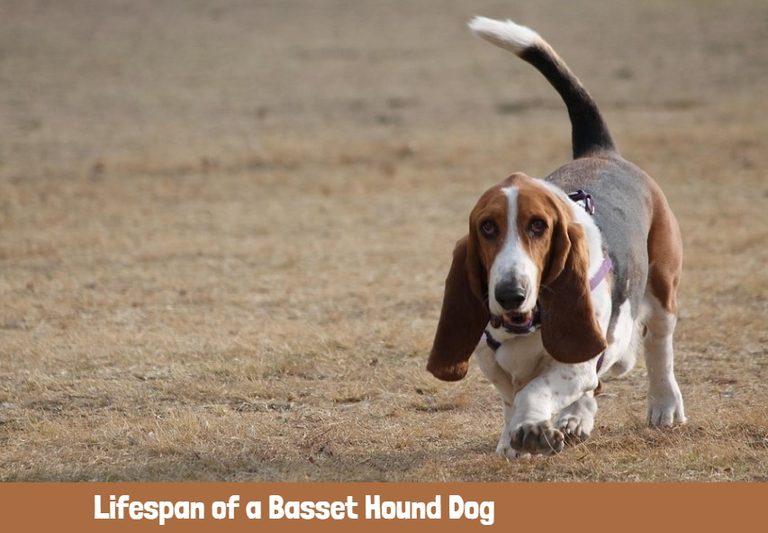
Most Bassets live about 10 to 12 years. A healthy weight, preventive care, and protection of the back and joints help support longevity.
Preventive Care
- Keep vaccinations current
- Use flea, tick, and heartworm prevention as your vet recommends
- Microchip your dog, since scent hounds wander
- Schedule regular check-ups
- Discuss spay or neuter timing with your vet
- Consider pet insurance or an emergency fund
Protecting the Spine and Joints
- Keep your dog lean. This is the single most important step.
- Lift correctly. Support the chest and hindquarters together, keeping the spine level.
- Limit stairs and jumping. Use ramps for furniture and cars.
- Provide traction. Rugs on slippery floors protect joints.
- Use a harness. It spreads pressure better than a collar.
- Build gentle muscle. Steady walking supports the spine.
Finding a Basset Hound
Responsible Breeders
A good breeder health-tests both parents and shares results, raises puppies in a clean, social home, lets you meet the mother, provides vaccination and deworming records, offers a written contract and health guarantee, and asks you questions in return. Be cautious of sellers who push quick payments, sell many breeds, or refuse visits.
Rescue and Adoption
Basset Hound rescues exist in many regions and often have puppies, adults, and seniors in need of homes. Adoption fees are usually lower, and rescue staff can describe each dog’s personality.
Costs
Prices vary widely by region and breeder. Beyond the purchase or adoption fee, budget for food, vet care, vaccines, supplies, training, grooming products, insurance, boarding, and emergencies. Because the breed is prone to costly conditions such as disc disease and ear infections, an emergency fund is wise.
Is a Basset Hound Right for You?
A Good Fit If You:
- Want a gentle, affectionate, funny companion
- Can commit to patient, reward-based training
- Enjoy slow, sniff-heavy walks
- Have a secure yard or reliable leash habits
- Are home often or can arrange company
- Can handle drool, shedding, and a bit of hound odor
Think Twice If You:
- Want a dog that obeys perfectly off leash
- Need a quiet dog for thin-walled housing
- Are away for long hours every day
- Want an athletic running or hiking partner
- Cannot lift a heavy dog or manage stairs easily
Frequently Asked Questions
1. Are Basset Hounds good family dogs?
Yes. They are gentle, patient, and sociable, and they usually get along well with children and other pets. They do best in homes where someone is around much of the day, since they dislike long periods alone. Supervision with young children is always wise.
2. Are Basset Hounds easy to train?
They are intelligent but independent, so training takes patience. Positive reinforcement, short sessions, and plenty of treats work best. House training and recall often take longer than with some breeds, but consistency pays off.
3. Do Basset Hounds bark a lot?
Many do. They bark, howl, and bay, especially when bored, lonely, or following a scent. Daily exercise, mental stimulation, companionship, and early training can reduce unwanted noise, though you should expect some vocalizing.
4. How much exercise does a Basset Hound need?
Moderate exercise is best, usually 30 to 60 minutes a day split into walks and play. Let the nose lead with sniffing walks and scent games, and avoid intense running or repeated jumping, which can strain the back and joints.
Conclusion
The Basset Hound is a dog of contrasts: gentle yet stubborn, lazy yet relentlessly curious, goofy yet deeply loyal. Its look is unmistakable, but its real charm lies in its personality, an affectionate companion who loves family life and turns every walk into a journey of discovery.
Success with a Basset comes from understanding the breed’s nature. Respect the nose, train with patience and rewards, keep your dog lean, protect the long back, care for those ears, and provide plenty of companionship. Choose a puppy from a responsible breeder or consider adopting through a rescue, and be ready for the drool, the baying, and the stubborn standoffs.
For the right owner, the reward is a loyal, funny, loving friend who will greet you every day with a wagging tail and a soulful gaze. If you are prepared to meet its needs, a Basset Hound can bring joy to your home for many years.