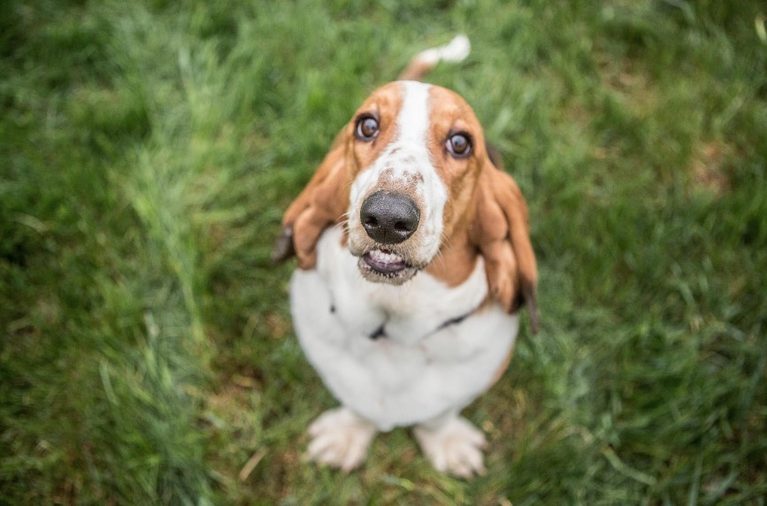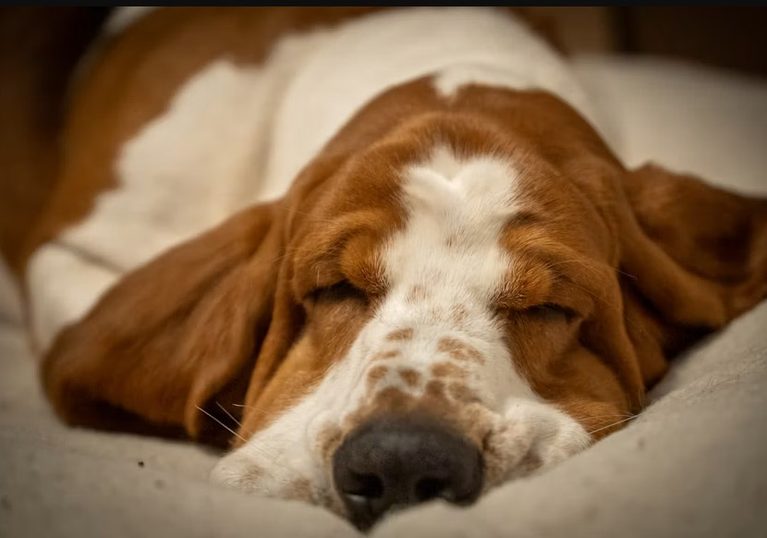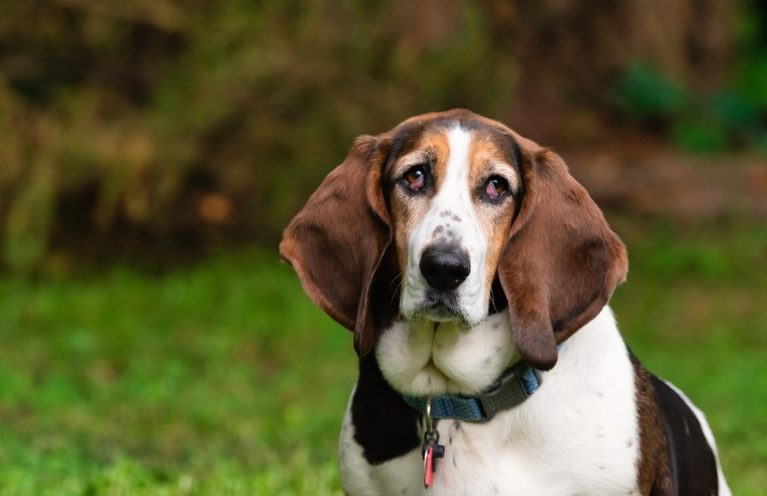
Lifespan of a Basset Hound Dog: What to Expect and How to Add Healthy Years
Few questions weigh on a dog lover’s mind as heavily as how long a beloved companion will be around. For anyone considering a Basset Hound, or already sharing a home with one, the lifespan question is both practical and emotional. These long-eared, low-slung hounds bring years of humor and affection, but their distinctive anatomy and breed-linked health risks mean the choices you make each day can influence how long, and how comfortably, your dog lives.
This article explains the typical lifespan of a Basset Hound, what shapes it, the health conditions that most often affect longevity, how care should change across life stages, and what you can do to give your dog the best possible chance at a long life. Four frequently asked questions and a conclusion follow at the end.
How Long Does a Basset Hound Live?
The typical Basset Hound lifespan is about 10 to 12 years. Some dogs live to 13 or 14, especially those with sound genetics, lean bodies, and attentive care. Others live shorter lives because of illness, injury, or inherited disease.
This puts the Basset in the middle of the canine range. Small breeds such as Chihuahuas and Dachshunds often reach 14 to 16 years, while giant breeds such as Great Danes may live only 7 to 9. Bassets are medium-sized by height but heavy by build, and that combination of weight, a long spine, and a deep chest shapes their health profile.
Remember that any average is a statistical summary. It cannot predict the future of a single dog. What it does tell you is that a Basset is likely to be part of your family for a decade or so, which is a significant commitment worth planning for emotionally, practically, and financially.
What Determines a Basset Hound’s Lifespan?
Genetics and Breeding Quality
Inherited traits play a major role. Puppies from health-tested parents, bred by people who prioritize soundness over appearance, tend to start life with fewer hidden risks. Responsible breeders screen for hip and elbow problems, eye conditions, and inherited blood or immune disorders found in some lines. They also avoid exaggerating features such as extreme skin folds, very short legs, or overly heavy bodies, which can reduce quality of life.
Puppies bred carelessly, sold quickly, or raised without health screening may carry problems that appear later. Choosing a reputable breeder or a well-run rescue is one of the earliest longevity decisions you can make.
Body Weight
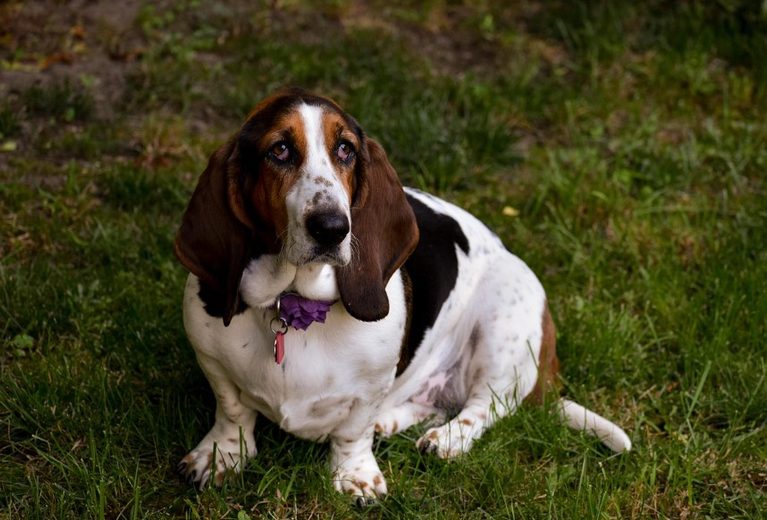
Weight is the single most controllable factor. Bassets love food and are masters at persuading humans to share it. Excess weight strains the spine and joints, raises the risk of arthritis and disc disease, and can contribute to diabetes, breathing trouble, and heart strain. Research in dogs has repeatedly linked leaner body condition to longer life, and the principle applies strongly to a breed already carrying a long back on short legs.
Nutrition
A complete, balanced diet suited to age, size, and activity level supports organs, skin, muscles, and the immune system. Measured portions, limited treats, and gradual diet changes all contribute. Always ask your veterinarian before adding supplements or switching to specialized diets.
Exercise
Regular, moderate exercise maintains muscle tone, joint mobility, and healthy weight. Strong muscles help support the spine. On the other hand, high-impact activities such as repeated jumping, long stair climbs, and intense running can harm a growing or aging Basset.
Veterinary Care
Routine exams, vaccinations, parasite prevention, and dental care catch problems early, when they are cheaper and easier to treat. Many conditions that shorten life, including cancer, heart disease, and kidney problems, are more manageable when found early.
Living Environment
A safe home, secure fencing, protection from temperature extremes, and plenty of companionship all matter. Bassets are social and thrive on attention. Loneliness and boredom can lead to stress-related behaviors and reduced wellbeing.
Spay and Neuter Decisions
Research on timing and long-term health is ongoing and varies by breed, sex, and individual. Discuss your dog’s situation with your veterinarian instead of relying on a universal rule.
Health Conditions That Can Affect Lifespan
Intervertebral Disc Disease (IVDD)
The Basset’s long back makes it prone to disc degeneration or rupture. When a disc presses on the spinal cord, signs can include back or neck pain, reluctance to jump, a hunched posture, wobbling, dragging of the hind legs, or paralysis. Mild cases may respond to strict rest and medication, while severe cases may require surgery. Prompt veterinary care is critical. Prevention centers on weight control, avoiding jumping and stairs, lifting properly, and building gentle muscle.
Gastric Dilatation-Volvulus (Bloat)
Deep-chested dogs can develop bloat, where the stomach fills with gas and may rotate. It can become fatal within hours. Warning signs include a swollen belly, unproductive retching, restlessness, heavy drooling, and obvious distress. This is an emergency. Reduce risk by feeding measured meals, using slow feeders, and avoiding vigorous exercise around mealtimes.
Cancer
Like many breeds, Bassets can develop cancer, particularly as they age. Signs may include new or growing lumps, unexplained weight loss, persistent lameness, loss of appetite, or unusual bleeding. Regular checkups and monthly at-home lump checks help with early detection.
Obesity and Related Diseases
Obesity is common and preventable. It shortens life, worsens joint disease, and raises the risk of diabetes and cardiovascular problems.
Hip and Elbow Dysplasia and Arthritis
Developmental joint problems can lead to pain, lameness, and arthritis. Weight control, appropriate exercise, and veterinary care can maintain comfort for many years.
Heart Disease
Older dogs may develop heart conditions. Possible signs include coughing, reduced stamina, faster breathing, and fainting. Routine exams help detect murmurs and other changes early.
Ear, Eye, and Skin Problems
Ear infections are very common in Bassets, thanks to long ears that trap moisture. While rarely fatal, chronic infections cause pain and can damage hearing. Eye conditions such as glaucoma, ectropion, and entropion can threaten vision and comfort. Skin folds can develop infections if kept damp or dirty.
Inherited Blood and Immune Disorders
Some Basset lines carry specific inherited conditions, including certain platelet function disorders and immune-related problems. Ask breeders about testing, and tell your vet if your dog bruises or bleeds easily.
Dental Disease
Dental problems are widespread in dogs and can contribute to infection and strain on organs. Brushing and professional cleanings protect long-term health.
Care Through Every Life Stage
Puppyhood: Birth to About 12 Months
Puppies build bones, habits, and temperament during this period. Priorities include:
- A vaccination and deworming schedule set by your vet
- Early socialization to people, sounds, surfaces, and friendly dogs
- A measured, balanced puppy diet
- Controlled exercise and limited stairs and jumping
- Crate and house training
- Positive, reward-based training
Because puppies grow quickly, avoid overfeeding. Rapid weight gain can strain developing joints.
Young Adulthood: 1 to 3 Years
Bassets finish filling out and may test boundaries. Set routines for exercise, grooming, and dental care. Keep a close eye on weight, since it is easy for pounds to creep on once growth ends.
Adulthood: 3 to 7 Years
This is the prime of life. Annual checkups, parasite prevention, and weight management are the main tasks. Watch for early stiffness, ear problems, and changes in appetite or energy.
Senior Years: About 7 to 10
Most Bassets are considered seniors at around 7 or 8. They may slow down, sleep more, and develop gray around the muzzle. Many veterinarians recommend checkups twice a year, with blood work and other screening as appropriate.
Geriatric Years: 10 and Beyond
Comfort becomes the focus. Soft bedding, ramps, traction on floors, pain management, and easy access to food, water, and outdoor spaces help older dogs stay happy. Arthritis, cognitive changes, and organ disease become more likely.
Practical Ways to Help Your Basset Live Longer
No one can guarantee a specific lifespan, but these habits improve the odds.
Keep Your Dog Lean
Measure food, limit treats, and check body condition regularly. You should be able to feel the ribs under a thin layer of fat and see a waist from above. Ask your vet for a target weight.
Protect the Back
- Use ramps or steps for furniture and vehicles
- Block stairs for puppies and, when needed, for seniors
- Lift with one hand under the chest and the other supporting the hindquarters
- Put rugs on slippery floors
- Use a harness instead of relying on a collar
Provide Moderate Daily Exercise
Walks, sniffing games, and gentle play keep muscles strong and minds engaged. Short, regular sessions are better than occasional long ones.
Stay Current With Veterinary Care
Keep vaccines, parasite prevention, and dental care up to date. As your dog ages, ask about screening tests for kidney, liver, thyroid, and heart health.
Maintain Ears, Skin, and Teeth
Check ears weekly and clean as advised. Wipe skin folds, brush teeth regularly, and trim nails to keep walking comfortable.
Prevent Accidents
Scent hounds follow their noses into danger. Use secure fencing and a leash, and microchip your dog. Keep toxic foods, medications, and chemicals out of reach.
Offer Companionship and Enrichment
Bassets are social animals. Time with family, puzzle toys, snuffle mats, and scent games reduce boredom and support emotional health.
Know the Emergency Signs
Learn the symptoms of bloat, disc disease, heatstroke, and poisoning. Keep your vet’s number and the nearest emergency clinic’s contact information handy.
Plan Financially
Because Bassets can face costly conditions, pet insurance or a savings fund can make it easier to choose the best treatment when it counts.
Recognizing Aging and Declining Health
Watch for these changes as your dog grows older:
- Slower movement and morning stiffness
- Reluctance to jump, climb, or use stairs
- Graying muzzle and cloudy eyes
- Increased sleep
- Weight gain or loss
- Changes in appetite or thirst
- Accidents in the house
- Bad breath or dental pain
- Hearing or vision loss
- Confusion or restlessness, which may signal cognitive decline
Do not assume every change is just old age. Increased thirst, weight loss, limping, and coughing often point to treatable conditions. Report new symptoms to your vet promptly.
Caring for a Senior Basset Hound
Older Bassets can enjoy many happy months and years with some adjustments.
- Orthopedic bedding cushions aching joints.
- Ramps and non-slip surfaces make movement safer.
- Short, frequent walks often suit seniors better than long outings.
- Diet adjustments may be needed. Some seniors need fewer calories, while others need help maintaining weight.
- Pain management is available for arthritis. Never give human pain medication without veterinary approval.
- More frequent vet visits can detect disease early.
- Mental stimulation such as gentle scent games keeps the mind active.
- Comfort and dignity come first. Keep nails trimmed, help with grooming, and make the home easy to navigate.
When illness or pain reduces quality of life, talk openly with your veterinarian. Quality of life matters as much as length of life, and a good vet can help you make compassionate decisions.
How the Basset’s Lifespan Compares With Other Breeds
Bassets live about as long as many medium-sized dogs. Beagles often live 12 to 15 years, and Dachshunds commonly 12 to 16. Bloodhounds, which are larger and share some ancestry, typically live 7 to 10. A Basset’s 10 to 12 years fits in the middle, reflecting its weight, build, and breed-specific health risks.
Basset mixes can live shorter or longer depending on the other parent and the individual dog. Mixed breeding does not guarantee better health, so good care and responsible sourcing still matter.
Common Myths About Basset Longevity
Myth: Bassets are lazy and do not need exercise. Moderate exercise is essential for weight control and joint health.
Myth: A chubby Basset is a happy Basset. Extra weight causes pain and shortens life.
Myth: Back problems are inevitable. Many Bassets never develop disc disease, and good management lowers the risk.
Myth: Mixed breeds always live longer. Mixes can inherit problems from either parent.
Myth: Senior dogs just need rest. Gentle activity and regular veterinary care keep seniors comfortable and mobile.
Frequently Asked Questions
1. What is the average lifespan of a Basset Hound dog?
Most Basset Hounds live about 10 to 12 years. Some reach 13 or 14 with good genetics and attentive care, while others live shorter lives due to conditions such as spinal disease, cancer, or bloat. Keeping your dog lean and current on veterinary care gives the best chance at a long life.
2. What are the most common health problems that shorten a Basset’s life?
Common concerns include intervertebral disc disease, bloat, cancer, obesity-related illness, joint disease, and heart problems. Ear infections, eye conditions, and skin issues are also frequent, though usually less life-threatening. Early detection and preventive care make a significant difference.
3. Can I help my Basset Hound live longer?
You cannot promise a particular lifespan, but you can improve the odds. Maintain a healthy weight, feed a balanced diet, provide moderate exercise, protect the spine, keep up with veterinary visits, and care for the ears, skin, and teeth. Starting with a puppy from health-tested parents also helps.
4. When is a Basset Hound considered a senior?
Most Bassets are considered seniors at about 7 to 8 years of age, although individual dogs vary. At this stage, many vets recommend twice-yearly checkups, closer attention to weight and mobility, and screening tests to catch hidden problems.
Conclusion
The lifespan of a Basset Hound, typically 10 to 12 years, is long enough to build a deep and lasting bond. While genetics play a part, daily habits often matter just as much. A lean body, a protected spine, regular ear and dental care, balanced food, moderate exercise, and timely veterinary attention form the foundation of a healthy life.
Each stage brings different needs: careful, controlled growth for puppies, steady routines for adults, and comfort and closer monitoring for seniors. Through every stage, the Basset’s affectionate, comical nature remains, and the best way to honor it is to care for your dog thoughtfully and consistently.
You cannot control every factor, but you can make each year count. Offer love, structure, good nutrition, and attentive care, and your Basset Hound is far more likely to enjoy a long, comfortable, and joyful life by your side.