Basset Hound Health Issues: What Every Owner Should Know
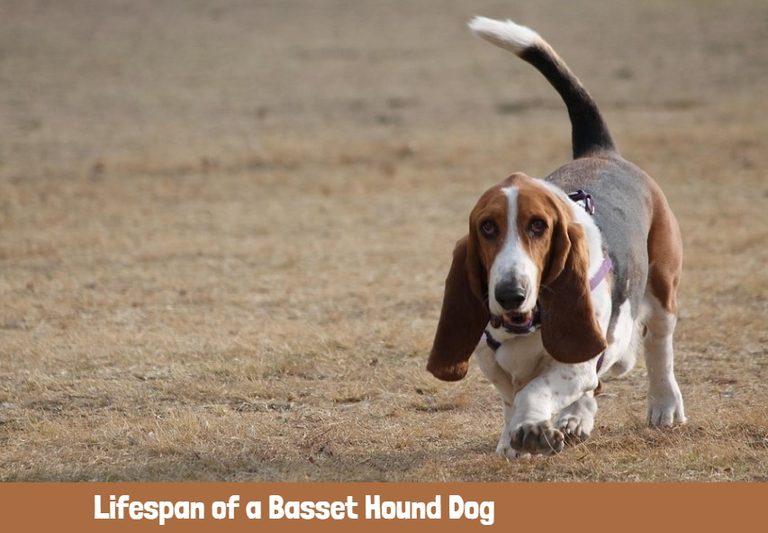
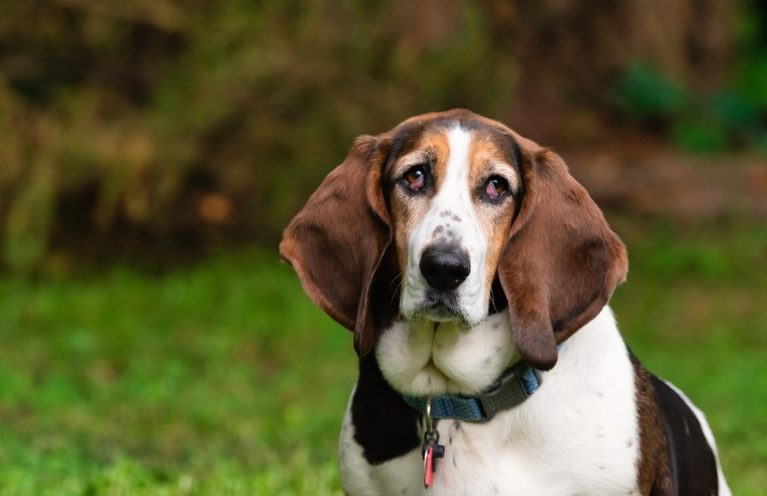
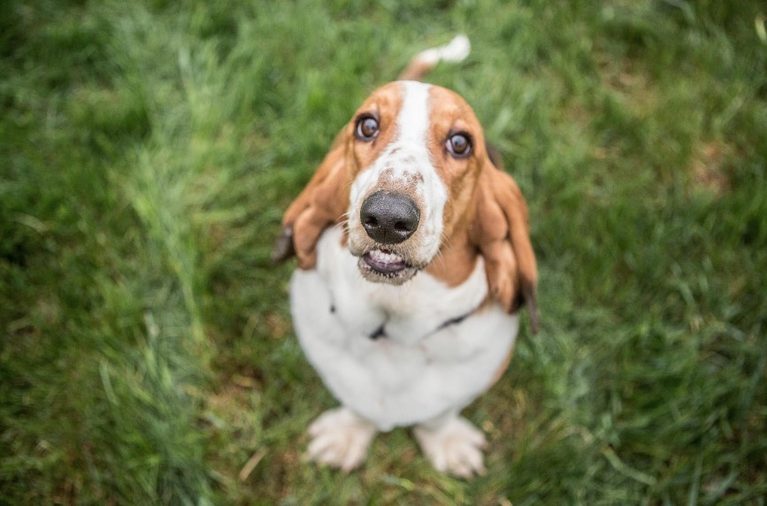
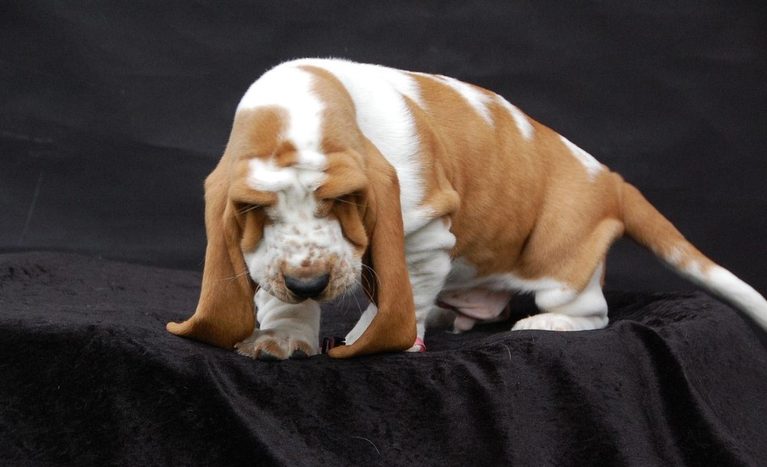
The Basset Hound’s long ears, wrinkled face, and low, heavy body make it one of the most lovable dogs around. They are also features that come with built-in health risks. A long spine, droopy ears, loose skin, and a deep chest all create vulnerabilities that responsible owners should understand from the day they bring a puppy home.
Most Bassets live about 10 to 12 years, and many stay happy and healthy for most of that time. Knowing the breed’s common problems, their warning signs, and how to reduce the risks will help you catch trouble early and keep your dog comfortable. This article covers the most important Basset Hound health issues, followed by three frequently asked questions and a conclusion.
Ear Infections
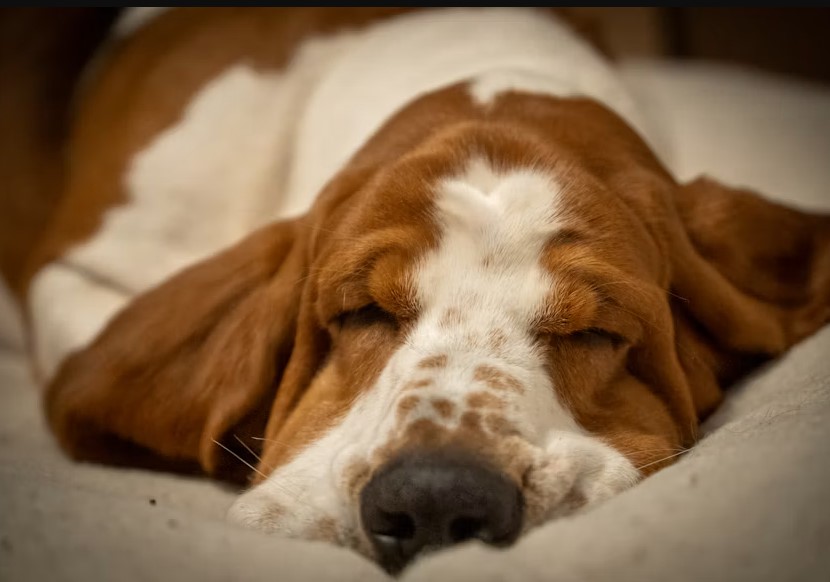
Ear infections are probably the most common health problem in the breed. The long, heavy ears fold over the ear canal, limiting airflow and trapping moisture, wax, and debris. That warm, damp environment is ideal for bacteria and yeast.
Signs: Head shaking, scratching at the ears, redness, a sour or yeasty smell, dark discharge, or pain when the ears are touched.
Prevention and care:
- Check the ears weekly
- Clean with a vet-approved ear cleaner as directed
- Dry the ears after baths and swimming
- Avoid pushing cotton swabs deep into the canal
- See your vet promptly if you notice symptoms, since untreated infections can become painful and chronic
Intervertebral Disc Disease (IVDD)
The Basset’s long back and short legs place heavy strain on the spine. The discs that cushion the vertebrae can degenerate or rupture, pressing on the spinal cord. This can cause pain, weakness, and in severe cases paralysis.
Signs: Reluctance to jump or climb stairs, yelping when touched or lifted, a hunched posture, trembling, wobbly walking, dragging of the back legs, or loss of bladder control.
What to do: Treat any sign of back pain as urgent and contact your vet immediately. Early treatment can make a major difference, ranging from rest and medication to surgery.
Prevention:
- Keep your dog at a healthy weight
- Use ramps instead of letting your dog jump on furniture or into cars
- Limit stairs, especially for puppies
- Lift with one hand under the chest and the other supporting the hindquarters
- Use a harness instead of relying on a collar
Obesity
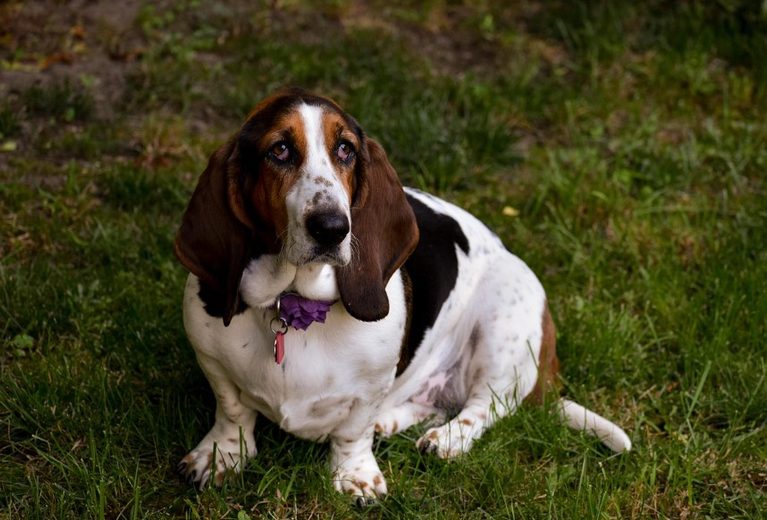
Bassets love food and gain weight easily. Extra weight is more than a cosmetic issue. It increases the risk of disc disease, arthritis, heart strain, diabetes, and breathing problems, and it can shorten a dog’s life.
How to prevent it:
- Measure meals rather than free-feeding
- Count treats toward the daily calorie total
- Use a slow feeder to prevent gulping
- Provide daily walks and scent games
- Check body condition regularly. You should be able to feel the ribs under a thin layer of fat and see a visible waist
If you are unsure what your dog should weigh, ask your vet for a target weight.
Bloat (Gastric Dilatation-Volvulus)
Deep-chested dogs like the Basset can suffer from bloat, in which the stomach fills with gas and may twist. It is a life-threatening emergency that can kill within hours.
Signs: A swollen or tight belly, unproductive retching, drooling, restlessness, pacing, signs of pain, and collapse.
What to do: Go to an emergency vet immediately. Do not wait to see if it passes.
Prevention: Feed measured meals, use a slow feeder, and avoid vigorous exercise right before and after eating. Ask your vet about preventive options if your dog is at high risk.
Hip and Elbow Dysplasia
These are inherited conditions in which the joints develop abnormally. They can cause lameness, stiffness, and arthritis over time.
Signs: Limping, difficulty rising, reluctance to climb stairs, bunny-hopping when running, and slowing down on walks.
Prevention and management: Choose a puppy from health-tested parents, keep your dog lean, avoid excessive jumping during growth, and talk to your vet about pain management and joint support if signs appear.
Eye Problems
Loose skin and droopy lids make Bassets prone to several eye conditions:
- Ectropion: The lower eyelid droops outward, exposing the eye to dust and irritation
- Entropion: The eyelid rolls inward, causing the lashes to rub the surface of the eye
- Glaucoma: Increased pressure in the eye, which can cause pain and vision loss
- Cherry eye: A prolapsed gland in the corner of the eye
Signs: Redness, squinting, discharge, cloudiness, or pawing at the eyes. Eye problems can worsen quickly, so see your vet promptly.
Skin Problems
The breed’s wrinkles and skin folds trap moisture and bacteria, leading to irritation, odor, and infection. Allergies can also cause itching, redness, and recurring skin issues.
Care tips:
- Wipe skin folds gently and dry them well
- Bathe every month or two with a gentle dog shampoo
- Watch for redness, rashes, hair loss, or persistent scratching
- Ask your vet about allergy testing if problems keep returning
Inherited Blood and Immune Disorders
Some Basset Hound lines carry specific inherited conditions, including certain platelet function disorders that can cause excessive bleeding, and immune-related conditions. These are less common than ear or back problems but can be serious.
Signs: Easy bruising, prolonged bleeding after minor wounds or surgery, nosebleeds, pale gums, or unexplained fatigue.
What to do: Ask breeders about health testing and family history, and let your vet know about the breed before any surgery.
Dental Disease and Cancer
Dental disease is common in dogs and can lead to infection and tooth loss. Brush your dog’s teeth several times a week and schedule professional cleanings as your vet advises.
As Bassets age, cancer also becomes a risk, as in most breeds. Feel your dog’s body regularly for new lumps, and report any lump, unexplained weight loss, or loss of appetite to your vet.
Preventive Care Checklist
- Choose a responsible breeder who health-tests parents, or adopt from a reputable rescue
- Keep vaccinations and parasite prevention current
- Schedule annual check-ups, and twice a year for seniors
- Clean ears weekly and check skin folds
- Keep your dog lean and exercised
- Protect the spine with ramps, harnesses, and proper lifting
- Microchip your dog
- Consider pet insurance or an emergency fund, since conditions like IVDD can be costly
Frequently Asked Questions
1. What is the most common health problem in Basset Hounds?
Ear infections are the most common, thanks to the breed’s long, moisture-trapping ears. Obesity and back problems such as intervertebral disc disease are also very frequent and have a major effect on quality of life.
2. Are Basset Hounds a healthy breed?
Many live long, comfortable lives, but the breed has several known predispositions, including ear, back, joint, eye, and skin problems, plus a risk of bloat. Good breeding, a lean weight, and regular veterinary care greatly improve the odds.
3. How can I reduce my Basset Hound’s health risks?
Keep your dog at a healthy weight, clean the ears weekly, protect the spine by limiting jumping and stairs, feed measured meals to lower bloat risk, and keep up with veterinary visits. Choosing a puppy from health-tested parents also helps.
Conclusion
Basset Hounds are affectionate, funny, and loyal companions, but their distinctive build brings real health responsibilities. Ear infections, spinal disease, obesity, bloat, joint disorders, eye and skin problems, and inherited conditions are all part of the picture. None of this means a Basset cannot be healthy, only that owners should be informed and proactive.
The most powerful steps are simple: choose a responsible source, keep your dog lean, care for the ears and skin, protect the back, and act quickly when something seems wrong. Do those things consistently, and your Basset Hound will have the best chance of enjoying many happy, comfortable years by your side.