What Do Basset Hounds Usually Die From? Common Causes, Warning Signs, and Prevention
Few questions are harder for a dog lover to ask than this one. Yet understanding what tends to threaten a Basset Hound’s life is among the most useful things an owner can learn. Knowing the risks helps you spot trouble early, make smarter daily choices, and be prepared if a problem arises.
Basset Hounds typically live about 10 to 12 years. The conditions most often linked to illness and death in the breed include cancer, spinal disease, bloat, heart disease, and complications of obesity and old age. This guide explains each of these, what the warning signs look like, what you can do to lower the risk, and how to make compassionate decisions in a dog’s final stage of life. Three frequently asked questions and a conclusion appear at the end.
A note before we begin: no study can tell you what will happen to your own dog, and the information below is general. Statistics vary between countries and surveys, and individual dogs differ widely. Use this article as a guide for conversations with your veterinarian, not as a diagnosis.

Understanding the Data: What “Cause of Death” Really Means
Information about why dogs die comes from veterinary surveys, insurance claims, and pathology records. These sources have limits. Some record the final cause, others record the condition that led to euthanasia, and many older dogs have several health problems at once. A dog might have arthritis, heart disease, and a tumor, and the “cause” listed may depend on which problem tipped the balance.
It is also worth knowing that in dogs, death is often the result of a decision. When illness or pain becomes severe and cannot be managed, owners and veterinarians frequently choose euthanasia to prevent suffering. So many causes of death in studies are really “reasons for euthanasia,” such as an inability to walk, uncontrollable pain, or advanced disease.
With those caveats, the following conditions are widely recognized as major health threats in Basset Hounds.
1. Cancer
Why It Matters
Cancer is one of the leading causes of death in dogs overall, and Basset Hounds are no exception. Like most medium and large breeds, they become more vulnerable as they age. Various types occur, including lymphoma, mast cell tumors, soft tissue sarcomas, and others.
Warning Signs
- New lumps or bumps, or lumps that change in size or texture
- Unexplained weight loss
- Loss of appetite or difficulty eating
- Persistent lameness or swelling in a limb
- Lethargy or reduced stamina
- Unusual bleeding or discharge
- Non-healing sores
- Swollen lymph nodes
- Coughing or difficulty breathing
What Owners Can Do
- Run your hands over your dog’s body regularly, ideally monthly, and note any lumps
- Report any new lump to your vet promptly, since a needle sample can often tell you what it is
- Keep regular check-ups, which let your vet spot changes
- Keep your dog lean, since obesity is associated with higher risk of some health problems
- Ask about screening tests as your dog reaches middle age and beyond
Many cancers are treatable or manageable when found early, and options may include surgery, chemotherapy, radiation, or palliative care. Your vet or a veterinary oncologist can discuss what suits your dog.
2. Intervertebral Disc Disease and Spinal Problems
Why It Matters
The Basset’s long back and short legs create a spine that carries a lot of strain. Intervertebral discs act as cushions between the vertebrae. In susceptible dogs, they degenerate or rupture and press on the spinal cord. This condition, called intervertebral disc disease (IVDD), can cause severe pain and, in serious cases, paralysis.
It does not always cause death directly, but it can lead to euthanasia when a dog loses mobility, cannot be managed comfortably, or when treatment is not possible. Even milder spinal disease can limit quality of life in older dogs.
Warning Signs
- Reluctance to jump, climb stairs, or move
- Yelping when touched or lifted
- Hunched back or tense posture
- Trembling, panting, or reluctance to eat because of pain
- Wobbly or “drunk” walking
- Dragging or knuckling of the back legs
- Loss of bladder or bowel control
- Sudden paralysis
What Owners Can Do
- Keep your Basset at a healthy weight, the most important factor
- Limit jumping on and off furniture and cars, using ramps instead
- Block stairs for puppies and, where needed, for older dogs
- Lift with one hand under the chest and the other supporting the hindquarters
- Use a harness rather than pulling on a collar
- Provide traction on slippery floors
- Build gentle muscle through regular, moderate walks
Treat any sign of back pain or leg weakness as urgent. Early veterinary care, sometimes within hours of symptoms, can significantly affect the outcome.
3. Bloat (Gastric Dilatation-Volvulus)
Why It Matters
Bloat is a sudden, life-threatening emergency that affects deep-chested dogs, and the Basset Hound is among the breeds considered at risk. The stomach fills with gas and may twist on itself, cutting off blood flow and putting pressure on other organs. Without prompt treatment, it can be fatal within hours.
Warning Signs
- Swollen or tight abdomen
- Unproductive retching or attempts to vomit
- Excessive drooling
- Restlessness and pacing
- Signs of pain, such as whining or a hunched posture
- Pale gums, rapid breathing, or collapse
What Owners Can Do
- Go to an emergency vet immediately if you suspect bloat. Do not wait to see whether it passes.
- Feed measured meals rather than one large meal
- Use a slow feeder if your dog gulps food
- Avoid vigorous exercise right before and after meals
- Discuss preventive options with your vet, especially if bloat has occurred in your dog’s family
Some veterinarians discuss surgical prevention for high-risk dogs. Whether it is appropriate depends on the individual, so ask your vet.
4. Heart Disease
Why It Matters
As dogs age, the heart may weaken or develop valve problems. Heart disease can lead to heart failure, in which the heart cannot pump efficiently and fluid builds up in the lungs or abdomen. Many cases develop slowly, and early treatment can extend and improve life.
Warning Signs
- Coughing, especially at night or after exercise
- Reduced stamina or reluctance to walk
- Faster or labored breathing at rest
- Fainting or collapse
- Swollen belly
- Loss of appetite
- Weight loss
What Owners Can Do
- Schedule regular vet visits so murmurs and irregular rhythms can be caught early
- Ask about heart screening for senior dogs
- Keep your dog lean and fit
- Follow medication schedules exactly if your dog is diagnosed
- Monitor resting breathing rate at home if your vet recommends it
5. Obesity and Its Complications
Why It Matters
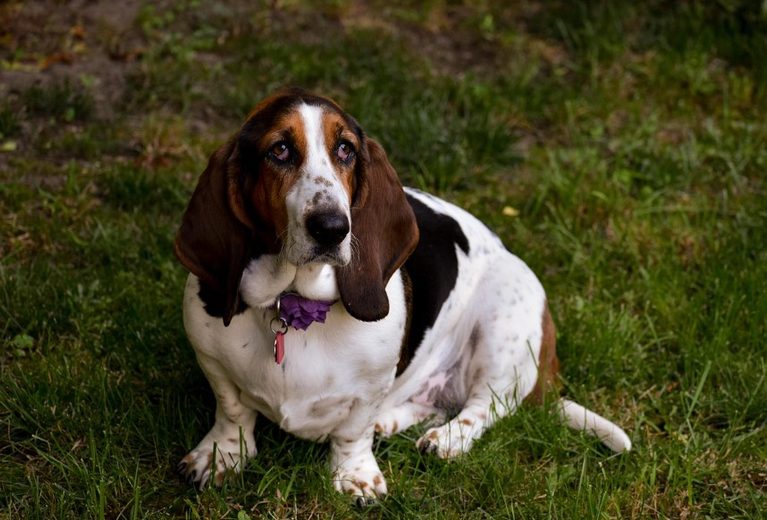
Obesity does not appear on every list of causes of death, but it quietly contributes to many. Basset Hounds love food and gain weight easily, and extra weight affects almost every body system. It strains the spine and joints, increases the risk of IVDD and arthritis, puts stress on the heart and lungs, and is associated with diabetes and other conditions. Studies in dogs have linked leaner body condition to longer life.
What Owners Can Do
- Measure meals instead of free feeding
- Count treats as part of daily calories
- Feed a complete and balanced diet suited to your dog’s life stage
- Check body condition regularly. You should feel the ribs under a thin layer of fat and see a waist from above
- Exercise daily with walks and scent games
- Ask your vet to set a target weight
If you are not sure whether your dog is overweight, ask your vet to assess its body condition score.
6. Joint Disease and Mobility Decline
Why It Matters
Hip and elbow dysplasia, arthritis, and other orthopedic conditions can reduce mobility. In older Bassets, severe joint disease may eventually make walking, standing, or toileting painful or impossible. When pain can no longer be controlled, owners may face the difficult decision of euthanasia.
Warning Signs
- Stiffness after resting
- Limping
- Reluctance to climb stairs or jump
- Difficulty standing up
- Slowing on walks
- Licking or chewing at joints
- Muscle loss in the hind legs
What Owners Can Do
- Keep your dog lean
- Provide orthopedic bedding and non-slip surfaces
- Use ramps instead of jumps
- Ask your vet about pain management, anti-inflammatory medication, joint-support options, and physical therapy
- Never give human pain relievers without veterinary guidance, since many are toxic to dogs
7. Kidney and Liver Disease
Why It Matters
Organ function declines with age. Chronic kidney disease and liver problems are common in older dogs generally, and they may develop slowly with subtle signs. Early detection through blood and urine tests allows diet changes and treatment that can slow progression.
Warning Signs
- Increased thirst and urination
- Weight loss
- Vomiting or nausea
- Poor appetite
- Bad breath with an unusual odor
- Lethargy
- Yellowing of the gums or eyes
- Pale gums
What Owners Can Do
- Schedule senior blood and urine screening as your vet advises
- Provide fresh water at all times
- Prevent access to toxins such as antifreeze, certain plants, and human medications
- Follow your vet’s dietary recommendations if a condition is diagnosed
8. Inherited Blood and Immune Disorders
Why It Matters
Some Basset Hound lines carry specific inherited conditions, such as certain platelet function disorders that can lead to excessive bleeding, and immune-related problems that affect the blood or other body systems. These are less common than cancer or spinal disease, but they can be serious.
Warning Signs
- Easy bruising
- Prolonged bleeding after minor wounds or surgery
- Nosebleeds
- Blood in stool or urine
- Pale gums
- Unexplained fatigue
What Owners Can Do
- Ask breeders about health testing and family history
- Tell your vet about the breed so they can consider breed-specific conditions before surgeries
- Report any unusual bleeding or bruising promptly
9. Infections, Poisoning, and Accidents
Why It Matters
Not all deaths come from age-related disease. Scent hounds follow their noses into trouble. Traffic accidents, poisoning, heatstroke, and infectious disease can all be fatal.
Common Risks
- Traffic. A Basset on a scent trail may ignore everything else, including cars.
- Escape. A gap in a fence or an open gate is an invitation to wander.
- Toxins. Chocolate, grapes and raisins, xylitol, certain plants, antifreeze, rodent poison, and human medications can be deadly.
- Heat. Heavy-bodied dogs can overheat quickly in hot weather or a parked car.
- Preventable infections. Parvovirus, distemper, and other diseases are largely prevented by vaccination.
What Owners Can Do
- Use a leash or secure fencing, and never rely on recall near roads
- Microchip your dog and keep contact details updated
- Store toxic substances securely
- Exercise in the cooler parts of the day and provide shade and water
- Keep vaccinations current
- Know your nearest emergency clinic
10. Old Age and Quality of Life
Many Bassets who reach their senior years eventually decline from a combination of problems rather than one disease. Arthritis, weakening muscles, heart or kidney changes, dental disease, and cognitive decline can accumulate. At some point, owners may notice that their dog can no longer enjoy the things that once made up its life.
Signs That Quality of Life May Be Declining
- Persistent pain that medication cannot control
- Loss of appetite or refusal to eat
- Difficulty standing, walking, or toileting
- Frequent accidents or distress
- Withdrawal, anxiety, or confusion
- Labored breathing
- More bad days than good days
Many vets suggest tools such as a quality-of-life scale, or simply keeping a calendar and marking good and bad days. Your veterinarian can help you interpret what you are seeing and discuss options, including palliative care, hospice, and humane euthanasia when suffering cannot be relieved.
Choosing euthanasia is one of the hardest decisions a dog owner makes. It is often described as a final act of care, an opportunity to spare a beloved companion from pain. There is no shame in making that choice, and no perfect moment. Lean on your vet and the people who love your dog.
How to Reduce the Risks: A Summary
While no one can eliminate risk, these steps help many Bassets live longer, more comfortable lives:
- Choose a good source. A responsible breeder who health-tests parents, or a reputable rescue, lowers the chance of inherited problems.
- Keep your dog lean. This protects the spine, joints, heart, and more.
- Protect the back. Use ramps, block stairs, lift correctly, and avoid repeated jumping.
- Feed to reduce bloat risk. Use measured meals, slow feeders, and rest around mealtimes.
- Provide regular, moderate exercise. Walks and scent games maintain fitness without strain.
- Maintain veterinary care. Annual check-ups in adulthood and twice-yearly in the senior years help catch disease early.
- Check your dog at home. Feel for lumps, check ears, skin, teeth, and watch weight, appetite, thirst, and behavior.
- Stay on top of dental, ear, and skin care. Small problems can become bigger ones.
- Prevent accidents. Use leashes, secure fences, microchips, and safe storage of toxins.
- Plan financially. Insurance or savings can make early treatment possible.
Frequently Asked Questions
1. What is the most common cause of death in Basset Hounds?
No single answer applies to every dog, and results differ between studies and countries. Cancer, spinal disease such as IVDD, bloat, heart disease, and general old-age decline are among the most frequently cited conditions. Many dogs also have several health issues at once, so the final cause is not always clear. Your vet can tell you which risks matter most for your dog.
2. Do Basset Hounds die young?
Not usually. Most live about 10 to 12 years, and some reach 13 or 14. Some do die earlier because of conditions such as bloat, severe spinal disease, cancer, or inherited disorders. Keeping your dog lean, protecting the spine, and keeping up with veterinary care helps give your dog the best chance of a full lifespan.
3. How can I tell when my Basset Hound is nearing the end of life?
Signs may include persistent pain, loss of appetite, difficulty standing or walking, labored breathing, incontinence, withdrawal, and more bad days than good. These signs can also have treatable causes, so do not assume they mean the end. Talk with your veterinarian, who can assess your dog’s comfort and discuss palliative care, hospice, or euthanasia when quality of life can no longer be maintained.
Conclusion
Basset Hounds are sturdy, affectionate dogs, but their unusual build and genetics bring particular risks. Cancer, spinal disease, bloat, heart problems, obesity-related illness, joint decline, and age-related organ changes are among the conditions most likely to affect the breed’s health and longevity. Accidents and preventable infections also play a part.
The good news is that many of these risks can be reduced or managed. A lean body, a protected spine, careful feeding, regular exercise, thoughtful breeding, and consistent veterinary attention all improve the odds. Learning the warning signs, and acting quickly when something seems wrong, can make the difference between a treatable problem and a tragedy.
Above all, remember that a Basset’s life is measured not only in years but in comfort, joy, and companionship. If you give your dog good care, you can make those years happy ones, and when the time comes to say goodbye, you can do it with compassion, knowing you did all you could for a loyal friend.